
In This Section
- Home
- About Us
- Study with Us
- FMT Doctoral Studies
- Research
- CARPE
- Collaborations
- EDI
- People
- Film
- Music
- Theatre
19/02/26 - FUAIM Lecture: Dr. Luca Gambirasio
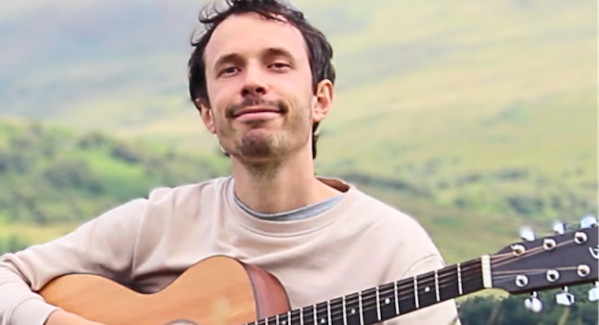
The Department of Music's FUAIM Autumn Lecture Series continues this Thursday, 19th February at 11am with
Sound-Mediated Environmentalisms: Music and Ethnomusicology in a Time of Environmental Crisis
By
Dr Luca Gambirasio
PhD Ethnomusicology
Independent
Join us in Ó Riada Hall, Music Department, Sunday's Well Road, Cork
With Q & A after the presentation.
Abstract:
What is the role of music and sound in addressing the environmental crisis? In search of answers, I undertook an eco-ethnomusicological study of music and sound as responses to the cultural rupture between humans and the natural world that lies at the heart of the crisis. This lecture draws on case studies from applied research and artistic practice focused on sound-mediated forms of environmentalism in my native region of Central Italy. There I investigated how cultural, conservation, and environmentalist organizations—together with individual artists and performers—use sonic practices to foster ecological awareness, action, and reconnection. Building on this fieldwork experience, I ultimately reflect on the contribution of music and ethnomusicology in creating a more ecocentric society.
Bio
Luca Gambirasio holds a PhD and MA in ethnomusicology from University College Cork, and BA in Jazz Performance, and his current research focuses on the intersection of music, sound and environmentalism in Tuscany, central Italy. He is an active performer and composer and co-organises events with conservation organisations aimed at restoring connection with places and their non-human inhabitants.
Readings
Allen, Aaron S. 2024. “Ecomusicological Listening as Activism.” Alltag–Kultur–Wissenschaft 11: 131-156.
Allen, Aaron S., and Jeff Todd Titon. 2019. “Anthropocentric and Ecocentric Perspectives on Music and Environment.” MUSICultures 46 (2): 1-6.
Gambirasio, Luca. 2025. “Rediscovering Silent Areas: Music and Ecotourism in Tuscany.” Traditions of Music and Dance 57 (1): 45-69.