In This Section
- Home
- About the College
- Governance
- College Committees & Steering Groups
- College Assembly
- College Council
- College Executive Management Committee
- College Academic Programmes and Curriculum Development Committee
- College Graduate Studies Committee
- College Research & Innovation Committee
- College Teaching Learning and Student Experience Committee
- College Sabbatical Research Leave Committee
- College of SEFS Adjunct Appointments Committee
- College Postgraduate Student Committee
- Athena SWAN Steering Group
- College Committees & Steering Groups
- Human Resources
- UCC STEM Awards
- Scholarships and Prizes
- Women in STEM Panel Talks
- Inaugural Professorial Lectures
- Athena SWAN in SEFS
- Proposal Calls
- Contact Us
- Science in Society Public Lecture Series
- Governance
- News
- Staff
- Schools and Departments
- Current Students
- Undergraduate Courses
- Postgraduate Courses
- International Students
- Research and Innovation
- Employability and Careers
- Outreach and Public Engagement
- Science Week
- Transition Year Programmes and STEM Events
Arts and culture key to inclusive climate action - UCC research
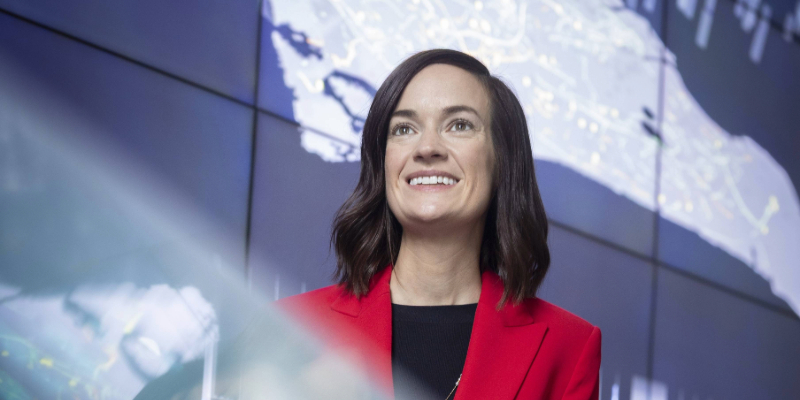
The arts, cultural and creative sectors can act as powerful catalysts for climate action, changing how people understand, engage with and act on climate change, new research from University College Cork (UCC) has found.
Researchers found that creative approaches can strengthen people’s capacity and motivation to take climate action, build social connection and support a fair and inclusive transition to a net-zero future.
The three-year study, led by Professor Marguerite Nyhan and researchers at UCC Sustainability Institute, evaluated Creative Ireland’s Creative Climate Action Fund II, a national programme of 42 artistic, cultural and creative projects that engaged people with climate change and climate action.
The projects brought together a diversity of artistic and creative approaches which spanned visual and performing arts, film and photography, music and sound, design and architecture, community-based arts, storytelling and poetry, as well as workshops and participatory learning.
Arts, culture and creativity build capacity for climate action
The study found that artistic and creative approaches provided an inspirational and accessible way for people to connect with climate change on a personal and emotional level. Creative projects also generated new spaces for dialogue, learning and collaboration, bringing together communities, businesses, local authorities, NGOs and other organisations around climate action.
Professor Marguerite Nyhan, Professor of Engineering for Sustainability at UCC and UCC Sustainability Institute, said: “Our research demonstrates that the arts, cultural and creative sectors can provide powerful and innovative ways of engaging people with climate action. By creating inclusive spaces for dialogue, participation and co-creation, these projects enabled people to connect climate change with their own lives, communities and values, while building the knowledge and collective capacity needed to act.”
“The findings demonstrate the important role that the arts and cultural sector can play in delivering a fair and inclusive transition to a climate-neutral Ireland that leaves no one behind,” Professor Nyhan said.
Empowering collective climate action across Ireland
The research found that Creative Climate Action Fund II supported key objectives of Ireland’s Climate Action Plan by enabling collective action at community, regional and national levels.
Researchers attended 46 events across six selected ‘deep dive’ projects and gathered evidence through over 200 project and participant surveys and over 50 interviews as well as participant observations and focus groups.
Across the projects, participants engaged with issues including biodiversity loss, energy use, agriculture and land use, the circular economy, climate mitigation and climate adaptation. The programme also strengthened collaboration and knowledge-sharing between communities, organisations, industry, local authorities and NGOs, including through Shared Island cooperation.
Projects were particularly effective in supporting a Just Transition by tailoring engagement to different needs, abilities and levels of climate awareness. This helped marginalised and underrepresented groups participate in climate action, while building trust, community ownership and capacity.
The research also identified evidence of deeper cultural change and impact across wide spheres of influence. Creative and cultural experiences influenced participants’ values, perspectives and sense of agency, with impacts extending into their wider communities, workplaces and professional networks.
Professor Nyhan said: “The scale of the climate challenge requires more than technological solutions; it also requires deep cultural change. Our research demonstrates that the resonance of artistic, cultural and creative practices is central to this transformation by changing how people understand climate change and sustainability, how we relate to one another and to the natural environment, and how communities and organisations and can imagine and collectively work towards more sustainable futures. These are essential foundations for sustained climate action.”
In addition to social outcomes, the projects produced lasting resources including publications, artworks, community assets and infrastructure, helping their impact continue beyond the lifetime of individual projects.
The report recommends that arts, culture and creativity be more strategically embedded in Ireland’s climate policy and implementation, supported by sustained investment in creative practitioners, trusted local leadership, community-based creative spaces and longer-term funding.
Project Spotlight: Creating a Climate for Change in Limerick
Dance Limerick’s Creating a Climate for Change in Limerick was a year-long, artist- and community-led initiative rooted in dance, alongside visual art and audio storytelling, to make complex environmental issues accessible, engaging and relevant to local communities.
Led by Katy Hewison, Dance Limerick's Community Engagement Producer, the project connected artists and researchers with communities across Limerick city and county, building climate literacy and creating new ways to engage with biodiversity, sustainability and our relationship with the natural environment.
Delivered in collaboration with local partners, the project culminated in public sharing events at Dance Limerick and Limerick City Gallery of Art, showcasing the creative work, insights and learning generated through the programme.
Reflecting on the project’s impact, Katy Hewison at Dance Limerick, said: "We have seen a ripple effect from this project in the community connections, artistic experiences and embodied memories of the work continuing to influence those involved. These experiences have strengthened relationships with natural environments and deepened understanding of how communities can support one another to take climate action, while also informing the artists’ own practice. As dance collaborator Vanessa Grasse recalled, ‘movement and dancing can be a vehicle for connection and a safe container for meaningful conversations and climate action discussions.’ This work continues through the relationships, connections and conversations that have grown from it."
College of Science, Engineering and Food Science
Coláiste na hEolaíochta, na hInnealtóireachta agus na hEolaíochta Bia
Contact us
Block E, Level 3, Food Science Building, UCC, Cork, T12 YN60.