
In This Section
Tanzanian fishing communities protect the biodiverse gallery forests they live in
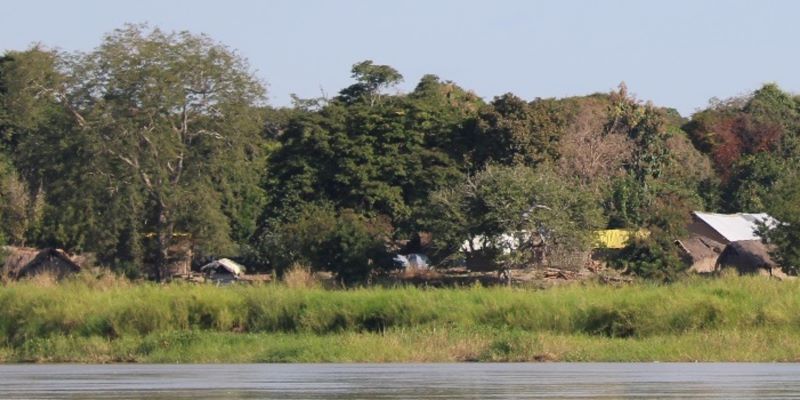
Small fishing communities allowed to live at carefully regulated camps inside a Wildlife Management Area in southern Tanzania collaborate effectively with this devolved conservation initiative to protect the surrounding gallery forests and the animals living in them.
Over the last 6 years, Prof Gerry Killeen and his collaborators have worked closely with the Ifakara-Lupiro-Mang’ula Wildlife Management Area (ILUMA WMA) in southern Tanzania, a community-based initiative established to simultaneously achieve locally led conservation and rural development goals. In their latest publication (https://doi.org/10.1111/csp2.70290), led by UCC-BEES MSc Graduate Lily Duggan and PhD candidate Lucia Tarimo, an employment-based scholar at Sokoine University of Agriculture, they demonstrate how small resident communities engaged in limited sustainable harvesting of selected natural resources can be good for the forests and wildlife they live among.
Specifically, this example illustrates how small fishing communities allowed to live at carefully regulated camps along a major river within the WMA act as highly effective resident custodians of the surrounding groundwater forests and wild mammals that call it home. One of the secrets to success of these fishing camps is that permission to live there is only provided conditionally upon compliance and collaboration with the WMA governing authority, which was elected by the same 15 different villages that pooled land to form a collectively managed conservation area. As compared to intermittent random patrols, these motivated custodian communities act as full time eyes and ears of the WMA along the river, reporting any encroachment they encounter to direct targeted interventions by Village Game Scouts.

In order to deliver this encouraging body of evidence, the team had to develop more sensitive new field methods for surveying various activities of people, livestock and wild animals and for assessing overall integrity of the natural ecosystem across the ILUMA WMA, which acts as a buffer zone along the fringes of Nyerere National Park, the largest conservation area in Africa. The ILUMA WMA is home to over 40 species of medium-to-large wild mammals and urgently needs new business models, especially such local innovations to address local priorities. This study represents a collaboration between Sokoine University of Agriculture, Ifakara Health Institute and Nyerere National Park in Tanzania, together with UCC in Ireland.
School of Biological, Earth and Environmental Sciences
An Scoil Eolaíochtaí Bitheolaíocha, Domhain agus Comhshaoil
Contact us
Distillery Fields, North Mall, University College Cork, Ireland , T23 TK30