In This Section
New Study Identifies Harbour Porpoise Bycatch Hotspots in Irish Waters and Calls for Urgent Action
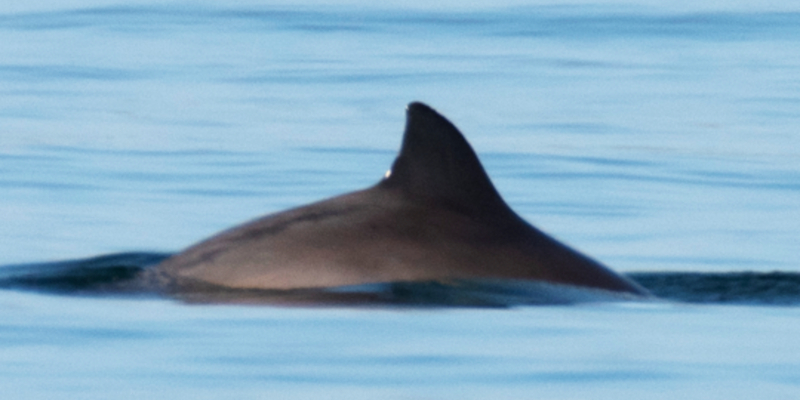
New research led by scientists at University College Cork has identified persistent hotspots where harbour porpoises and gillnet fisheries are most likely to interact in Irish waters, raising concerns about the potential impact of fisheries bycatch on one of Ireland's most widespread marine mammals. Harbour porpoise, or muc mhara as Gaeilge, are the smallest cetacean species found in our waters.
Published in Aquatic Conservation: Marine and Freshwater Ecosystems, the study mapped areas of potential interaction between harbour porpoises and gillnet fisheries across Ireland's Exclusive Economic Zone between 2015 and 2022. The research found that the Celtic Sea and continental shelf waters off Ireland's west coast consistently exhibited the highest risk of interaction across seasons and years.
Harbour porpoises are among the cetacean species most vulnerable to incidental capture, or bycatch, in gillnet fisheries. Recent surveys have revealed substantial declines in harbour porpoise abundance in Irish waters, prompting concerns that bycatch may be contributing to population declines.
The study, led by Dr Tiffany Goh as part of her PhD work at the School of BEES, identifies areas where harbour porpoises and gillnet fishing activities overlap most frequently, providing a valuable tool for targeting future monitoring and mitigation efforts. While direct bycatch data remain limited, these findings help identify where conservation action is most urgently needed.
The team also calculated modified Potential Biological Removal (mPBR) thresholds, which estimate the maximum number of porpoises that could be removed from the population annually without compromising its long-term viability. Using the most recent abundance estimates from 2022, the study found that sustainable bycatch thresholds were extremely low, ranging from just five to 41 animals per year depending on the assumptions used. Under the most precautionary conservation scenarios, sustainable removals were estimated at fewer than 10 individuals annually, which is extremely concerning.
These findings suggest that even relatively low levels of bycatch could pose a significant conservation threat to Ireland's harbour porpoise population. Bycatch of harbour porpoise was highlighted as an issue as far back as the early 1990s, resulting in an EU Regulation requiring the use of acoustic devices (pingers) on gillnets in that area. However, regardless of the extent to which these measures have been implemented, as Prof. Emer Rogan, School of BEES noted, the evidence now points to a clear and urgent need for more targeted action in identified hotspot areas. This should include consideration of stronger mitigation measures, including restrictions or bans on gillnet use in locations where the risk to harbour porpoises is greatest.
School of Biological, Earth and Environmental Sciences
An Scoil Eolaíochtaí Bitheolaíocha, Domhain agus Comhshaoil
Contact us
Distillery Fields, North Mall, University College Cork, Ireland , T23 TK30