
More than half of women with gestational diabetes subjected to ‘dangerous’ stigma
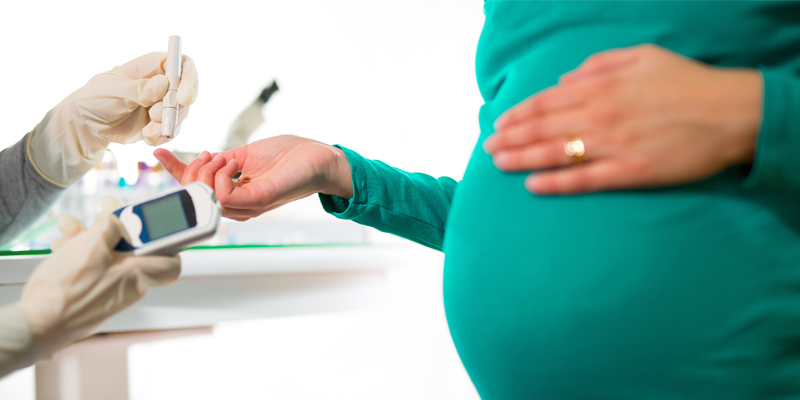
More than half of women with gestational diabetes are being subjected to ‘dangerous’ stigma, taking a significant toll on their wellbeing.
The new research led by King’s College London and University College Cork (UCC) and funded by Diabetes UK has revealed the scale of stigma experienced by women with gestational diabetes.
Researchers surveyed 1,800 women across the UK who had experienced GDM and conducted focus groups to understand the drivers of stigma and develop tools to combat its harmful effects.
Diabetes stigma comes in many forms - from throwaway comments to false assumptions. Its impacts are severe - stigma can stop some people living with diabetes from seeking the support they need and evidence shows this can lead to higher blood sugar levels and increases their risk of diabetes complications.
The new research funded by Diabetes UK and led by researchers at Kings College London and University College Cork surveyed 1,800 women across the UK who had experienced GDM and conducted focus groups to understand the drivers of stigma and develop tools to combat its harmful effects.
The survey revealed that many women experienced emotional distress at diagnosis, with over two thirds (68%) reporting anxiety, 58% feeling upset and 48% experiencing fear. For many, the psychological impact continued beyond birth, with 61% saying GDM negatively affected their feelings about future pregnancies.
Experiences of stigma and misunderstanding were widespread. Nearly half (49%) of women felt judged for having GDM, while 47% felt judged because of their body size. Over 80% felt that other people did not understand GDM, and more than a third (36%) concealed their diagnosis from others.
GDM stigma was also frequently experienced in healthcare settings, with 48% saying professionals made assumptions about their diet and exercise, and more than half (52%) feeling judged based on their blood glucose results.
Many women described a loss of control and a sense of disruption to their pregnancy experience. Nearly two thirds (64%) felt they were denied a ‘normal’ pregnancy, while 76% reported a lack of control over their pregnancy. More than a third (36%) of women felt abandoned by healthcare services after giving birth, and one in four (25%) continued to experience depression or anxiety postpartum.
In additional focus groups, respondents described encountering harmful stereotypes from loved ones or even professionals in healthcare settings including assumptions that they were ‘lazy’, had ‘poor eating habits’ or ‘lacked willpower’. Respondents commonly experienced stigmatising phrases from family and friends relating to eating and weight such as “should you be eating that?” and “you must have eaten too much, that’s why you have GDM.”
The researchers are calling for targeted interventions to reduce stigma, alongside structured emotional support for women during and after pregnancies affected by GDM, to improve both mental and physical health outcomes.
Dr Rita Forde, lead researcher from the School of Nursing & Midwifery at University College Cork, said: "Stigma surrounding gestational diabetes is widespread and often rooted in misunderstanding, contributing to heightened emotional distress during pregnancy. This can lead to shame, isolation, and reduced engagement with care, underscoring the need for targeted, evidence-based support that promotes understanding and protects both mental and physical health."
Professor Angus Forbes, lead researcher from King’s College London, said: "Stigma and emotional distress are far more common in women diagnosed with gestational diabetes (GDM) than many realise. Everyday interactions - even with those who mean well - can deepen this harm, shaping women’s emotional wellbeing and the choices they feel able to make. It’s clear that meaningful action is needed to protect women’s mental and physical health."
Elizabeth Robertson, Director of Research and Clinical at Diabetes UK, said: "Stigma can have a dangerous and devastating impact on pregnant women diagnosed with gestational diabetes, particularly at a time when emotions and anxieties may already be heightened. We know that stigma can lead to shame, isolation and poorer mental health, and may discourage people from attending healthcare appointments, potentially increasing the risk of serious complications. This research highlights the urgent need for better support systems, based on understanding and empathy to ensure no one feels blamed or judged during their pregnancy."
UCC Research
Aistriú Taighde
Contact us
Office of Vice President for Research & Innovation, 4th Floor, Block E, Food Science Building University College Cork, T12 K8AF