Dark Mothers of Wood, Water & Wetland: Folklore-Ecology, Goddesses, and Otherworldly Feminine Figures of Irish Mythology
The next presentation in University College Cork's Study of Religions Research Seminar Series takes place on Wednesday 25 February 2026 from 6-7pm (Irish Time/GMT) online with Leah Stetson
Blackthorn, or Straif, in the ogham. Bog myrtle. Pondweeds. Oak, or Duir. Waterlilies. Ferns. Seaweed. Moss. Hawthorn. Bluebells. Riverine grasses. Rushes. Sea grass. The ecology of feminine figures of Irish mythology—notably, Brigid the Goddess, St Brigid, the Banshee, Clíodhna, the Cailleach, the Morrígan, the Selkie, and the Merrow, or mermaid, can be noticeably connected to wetlands. One might wonder, what do mermaids have to teach us about wetlands? Why does this matter today? Why would anyone think about the importance of Brigid, or the Morrígan, as symbolic figures representing wetlands protection?
An ecologist delineates a wetland on the landscape by its hydrology, soils, and plants. A plant can be considered a "wetland plant" based on a number of criteria, for example, the blackthorn is a facultative wetland plant because it can live in wetlands, and is found in wetlands, but is also found in wet, damp wooded areas. By contrast, bog myrtle and waterlilies are obligate wetland species, as they thrive in inundated, saturated soils (including submerged wetland habitat). By a similar way, the folklore-ecologist can identify the wetlands in the mythology and folklore, as well as through examination of the Traditional Ecological Knowledge (TEK) of wetlands. When we examine the stories, oral history, the TEK, and the folklore of Goddess Brigid, St. Brigid, the Banshee, Clíodhna, a sea goddess, the Cailleach, the Morrígan, the Selkie, and the Irish Merrow (or mermaid), we find wetland plants, pointing us to a variety of wetlands on both mythic and real-world landscapes—these include freshwater, coastal, and saltwater wetland habitats. In this talk, Leah Stetson introduces her research project on the folklore-ecology of wetlands with a special focus on specific goddesses and otherworldly feminine figures of Irish mythology. Leah provides historic background for the treatment of wetlands in the folklore, and related literature, and points to how this might show up culturally, in the TEK of contemporary practices, such as the weaving of rushes to make St Brigid's crosses, and use of wetland plants in "fire festivals". She posits the value of understanding the folklore-ecology of wetlands in the context of policymaking, wetland resource management, protections for Irish wetlands (and globally), and climate change.
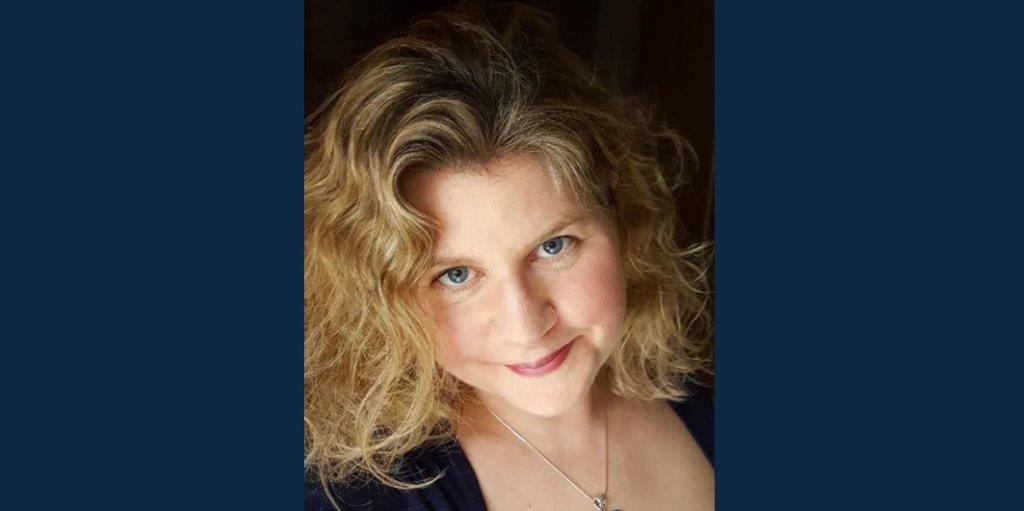
Leah C. Stetson is a Visiting Research Student at UCC in the Study of Religions Department under the supervision of Dr Jenny Butler, who is a Lecturer, a Principal Investigator of the Sustainability Institute (formerly the Environmental Research Institute (ERI)) and a member of the External Graduate Faculty of the University of Maine (US). Leah is an Interdisciplinary PhD Candidate at University of Maine, affiliated with multiple departments, including Anthropology, English Literature, School of Marine Sciences, Maine Studies (Folklore) and History at University of Maine, and the Study of Religions Department at UCC in Cork. She holds a Master's in Philosophy of Human Ecology from College of the Atlantic, where she completed a folklore-ecology project for her bachelor’s degree (2001) and a master's degree thesis on land conservation (2006). Leah is a former park ranger (National Park Service, US), a writer, editor, ecologist, and policy-analyst, with over 15 years working in the environmental science and policy fields, focused primarily on wetlands. She is also a poet. Her portfolio can be found at https://www.blueheroneditor.com/ She lives in West Cork.
All Welcome to Join Us on Teams. Please contact Dr Jenny Butler for more information on j.butler@ucc.ie
Study of Religions Department
Staidéar Reiligiún
Contact us
Room 2.22, O'Rahilly Building, University College Cork, College Road, Cork, T12 ND89