
In This Section
Why Your Morning Brew Is Good for You
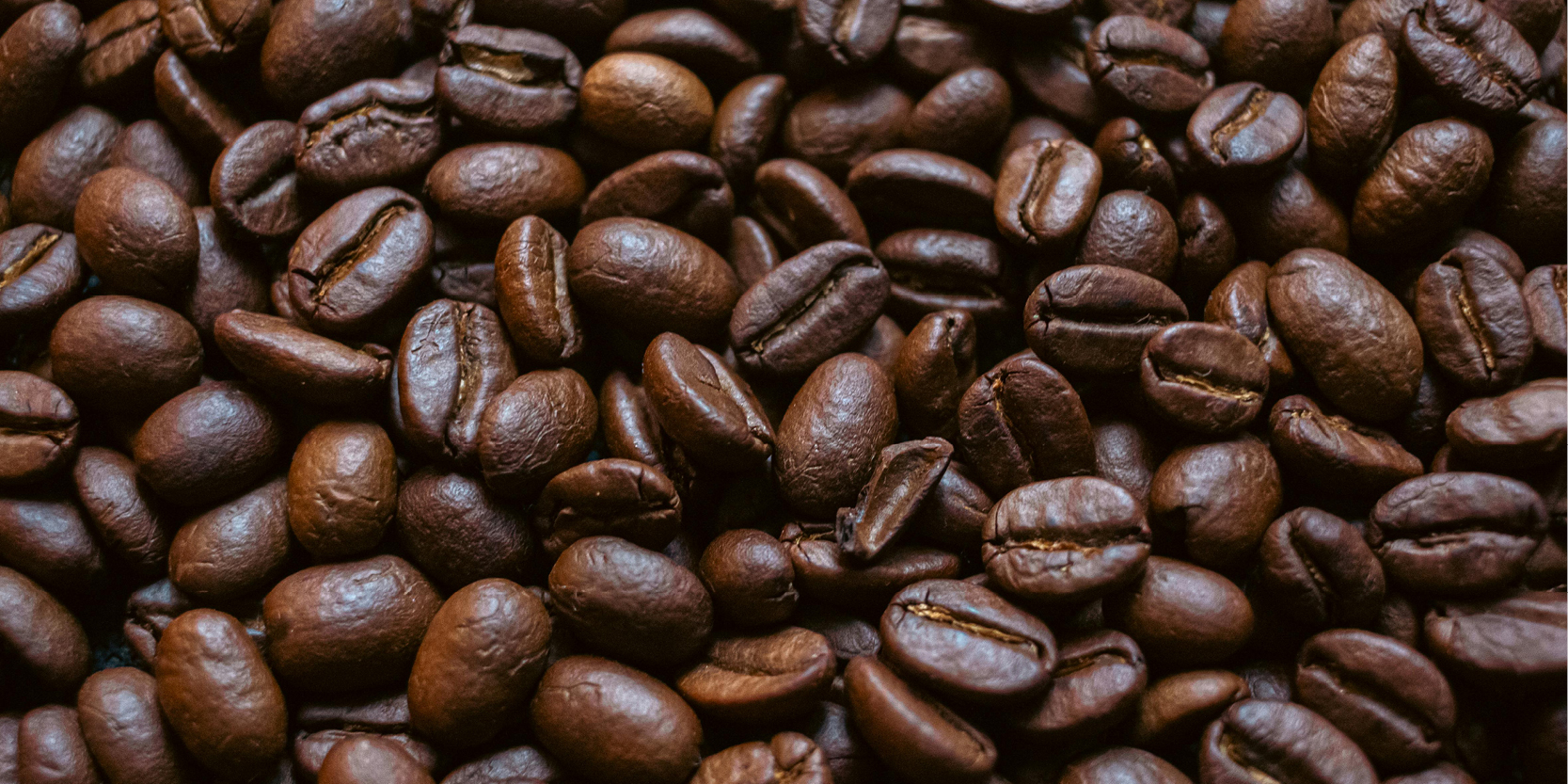
New research from APC Microbiome Ireland at UCC has, for the first time, explored the mechanisms behind coffee’s effects on the gut-brain axis.
Published in Nature Communications, the study shows how both caffeinated and decaffeinated coffee can influence the gut microbiome, and in turn affect mood and stress levels.
Researchers studied 31 coffee drinkers and 31 non-coffee drinkers using psychological tests, diet tracking, and stool and urine samples. Participants first abstained from coffee for two weeks before being reintroduced to either caffeinated or decaffeinated coffee in a blinded trial.
Both groups reported lower perceived stress, depression and impulsivity scores after coffee was reintroduced, suggesting improvements in mood regardless of caffeine content.
The study also found differences in gut bacteria between coffee drinkers and non-coffee drinkers, including increases in species such as Eggertella sp and Cryptobacterium curtum, which are thought to play roles in gut function and metabolism.
Cognitive effects varied depending on coffee type: decaffeinated coffee was associated with improvements in learning and memory, while caffeinated coffee was linked to reduced anxiety, improved vigilance and attention, as well as a reduced risk of inflammation.
Professor John Cryan, Principal Investigator at APC Microbiome Ireland commented: “Public interest in gut health has risen hugely. The relationship between digestive and mental health is also increasingly being better understood, but the mechanisms behind coffee’s effects on this gut-brain axis have remained unclear.
"Our findings reveal the microbiome and neurological responses to coffee, as well as their potential long-term benefits for a healthier microbiome. Coffee may modify what microbes do collectively, and what metabolites they use. As the public continues to think about dietary changes for the right digestive balance, coffee has the potential to also be harnessed as a further intervention as part of a healthy balanced diet."
"Coffee is more than just caffeine — it’s a complex dietary factor that interacts with our gut microbes, our metabolism, and even our emotional wellbeing," said Professor Cryan. "Our findings suggest that coffee, whether caffeinated or decaffeinated, can influence health in distinct but complementary ways."
Good Gut Curriculum
- Read about how UCC alum Professor Ted Dinan (Medicine 1979) changed the way we think about mental health through the gut-brain connection in the latest issue of The Bridge Magazine.
Advancement Office
An Oifig Cothaithe
Contact us
Cork University Foundation is incorporated in Ireland as a limited liability company and a registered charity (CRN: 243605, RCN: 20033385, CHY11831). Room 2.12, Western Gateway Building, Western Road, Cork, T12 XF62