
Unmasking The Appeal: Protecting The Next Generation From Nicotine Addiction
31 May, World No Tobacco Day 2026, highlights WHO's continued commitment to exposing industry tactics and advancing policies to protect young people and communities from nicotine addiction.
Each year on 31 May, World No Tobacco Day unites governments, health organisations, civil society, and youth voices under a shared mission: to end the tobacco epidemic and secure a tobacco and nicotine-free future for the next generation.
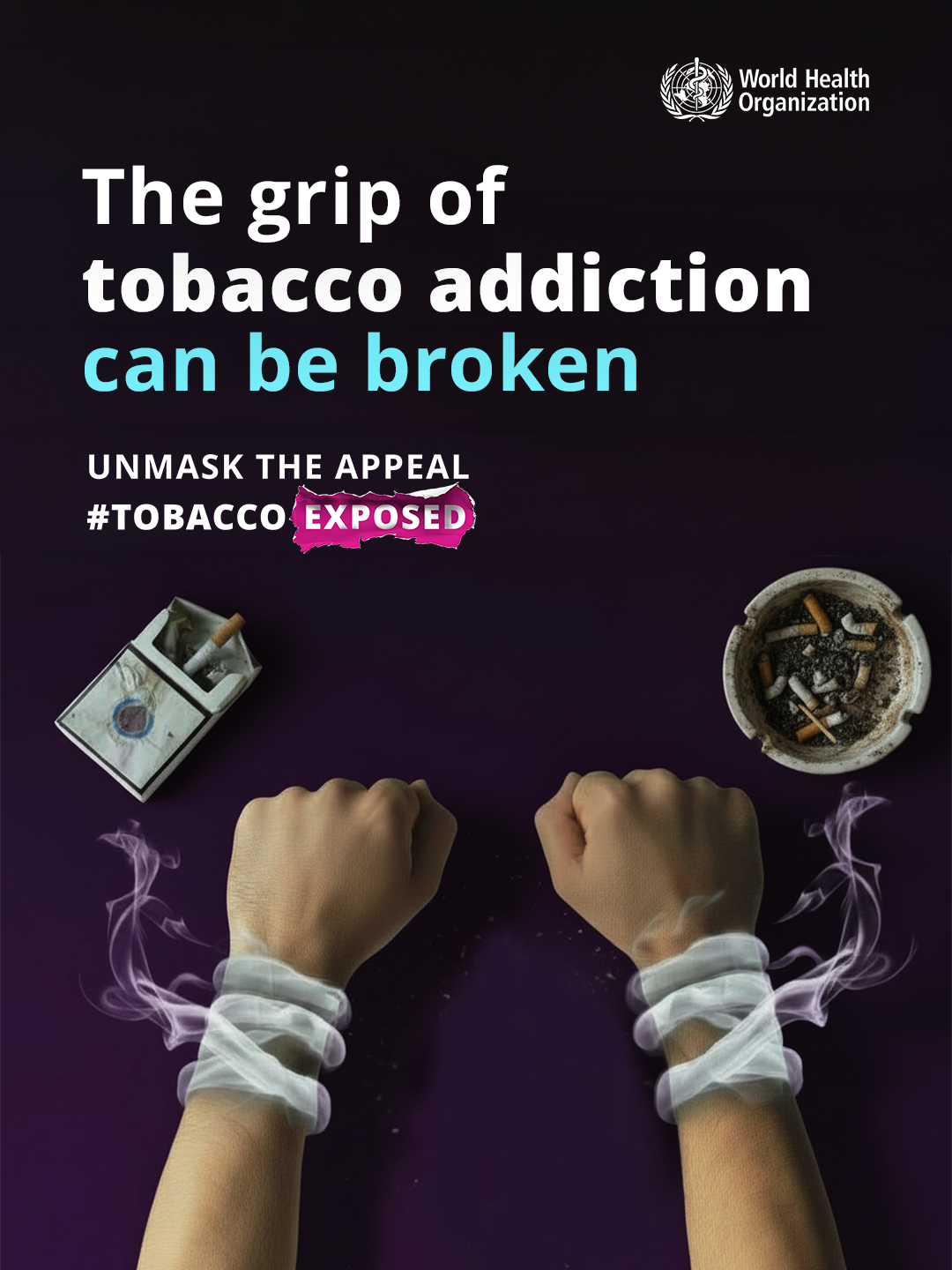
The 2026 campaign highlights how the tobacco and nicotine industry continues to reinvent and repackage its products to hook a new generation, particularly children and adolescents, while evading stronger tobacco control measures worldwide.
In light of decades of progress in reducing tobacco use, the tobacco industry’s tactics remain relentless. Companies are aggressively marketing new and emerging nicotine products such as e-cigarettes, nicotine pouches, and synthetic nicotine devices, often disguised as “innovation”, to sustain addiction and recruit new users.
These strategies threaten to reverse hard-won gains in tobacco control and public health. This is particularly crucial for many EU nations, who have had made significant progress. For instance, Ireland bagged the top spot in the recent Tobacco Control Scale 2025 launched at the ECoTH in Milan last week. Dr Zubair Kabir of the School of Public Health, a leading tobacco control researcher and advocate, however, signalled that smoking prevalence in Ireland has stalled around 18% since 2019.
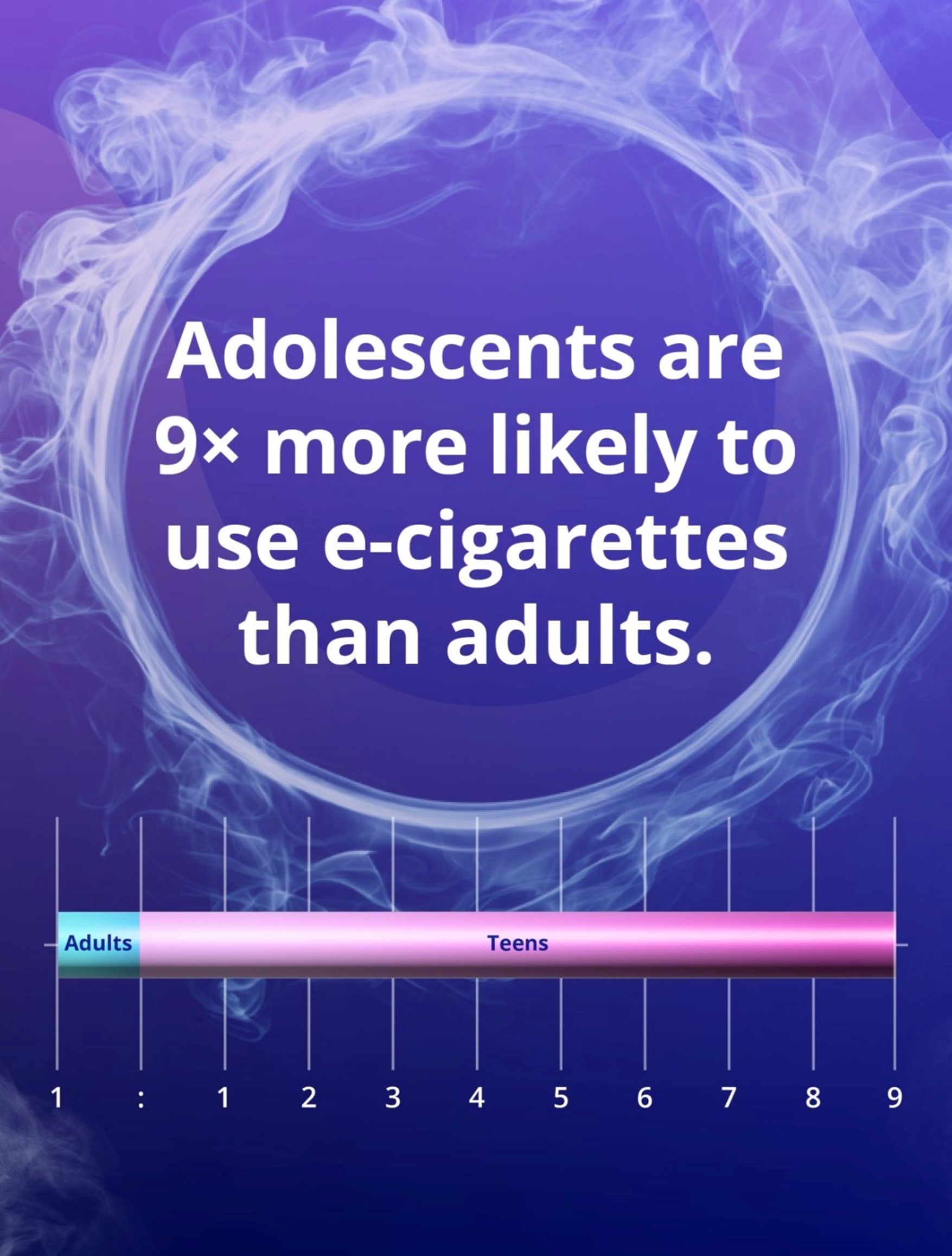
On a global scale, startling new data reveal the scale of the crisis: at least 40 million children aged 13–15 globally report current use of at least one tobacco product. Of these, 20 million smoke cigarettes and 10 million use smokeless (oral/nasal) tobacco. Also, at least 15 million adolescents aged 13–15 years are already using e-cigarettes, and in countries with data, children are on average nine times more likely than adults to vape.
The Healthy Ireland 2025 Survey reported that 18% of 15-24 year-olds use e-cigarettes, and increasing by 4 points for women (19%, up from 15% in 2024). One percent of the Irish population currently use nicotine pouches, which is emerging as a worrying trend, said Dr Kabir.
“Young people are being targeted by design,” said Vinayak M Prasad, Head of the No Tobacco Unit, WHO. “Flavours, slick packaging, and deceptive marketing are being used to make highly addictive and harmful products seem fashionable. The result is a cycle of addiction threatening to undo years of tobacco control progress.”
 Dr Kabir is optimistically cautious that Ireland has a mandate to ‘end tobacco harm’ but this can still be an elusive dream over the next decade, unless we double down our efforts on curbing ‘young generation of nicotine addicts’!
The Tobacco Free Ireland is revisiting its current strategy (2013-2025) towards a better implementation policy framework. “Lobbying for a smoke-free generation in Ireland is not mission impossible”, said Dr Kabir, "our closest neighbour, the UK, has shown us the path.“
On Sunday 31 May, World No Tobacco Day, let us stand together to protect future generations from the tobacco industry that is REBRANDING ADDICTION.
School of Public Health
Scoil na Sláinte Poiblí
Contact us
4th Floor, Western Gateway Building, Western Road,