| Code | DHFS |
|---|---|
| Duration | 2 years |
| Teaching Mode | Part-Time |
| Qualifications | Cert / Dip |
| NFQ Level | Level 6/7 |
| NFQ Award Title | Special Purpose |
| Fees | €1,750 per academic year See Fees and Costs for full details. |
| Closing Date | Closed for 2026. Express your interest for the next intake above |
| Next Intake | TBC |
| Venue | Hybrid classes online, fieldtrips in person |
Course Outline
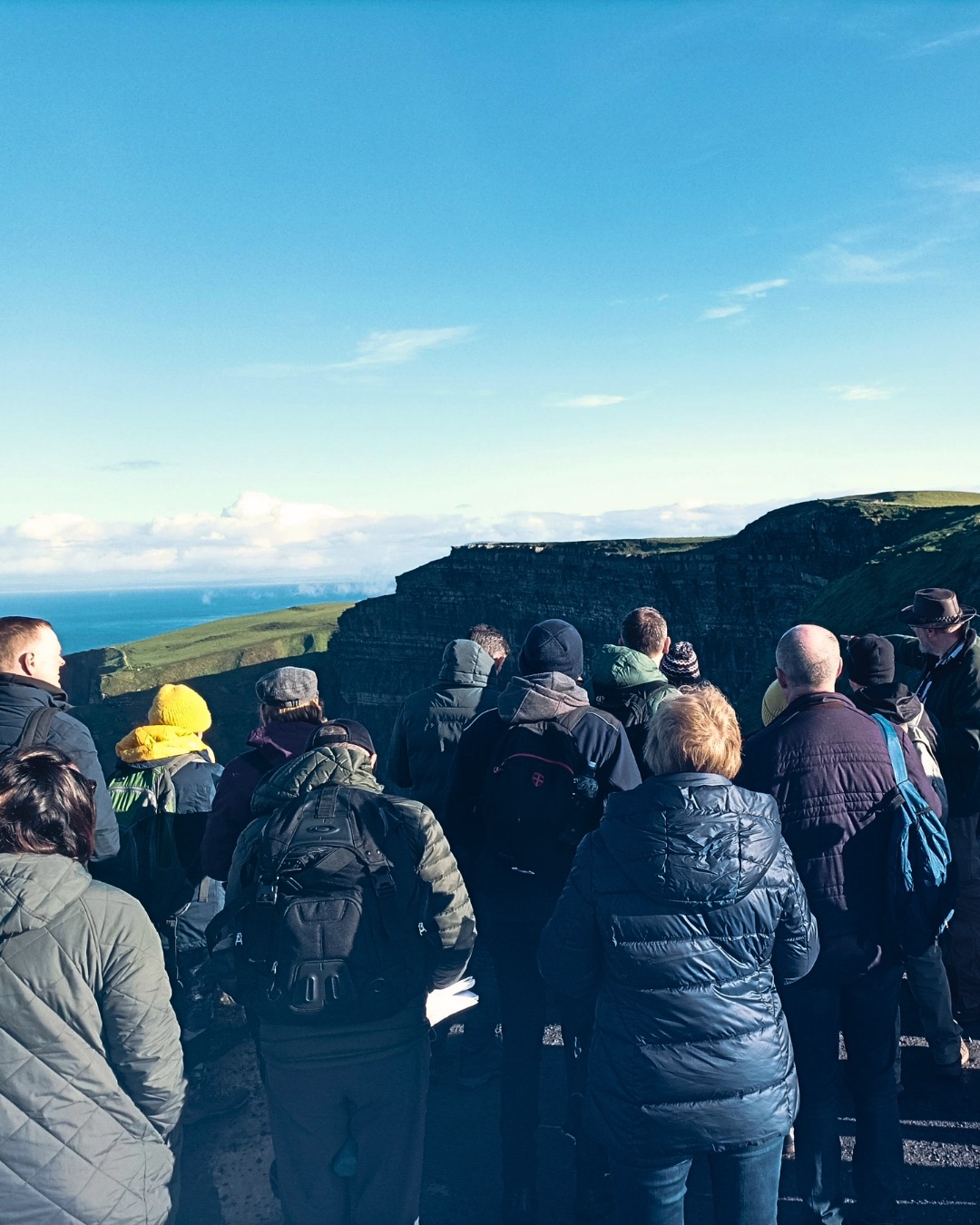
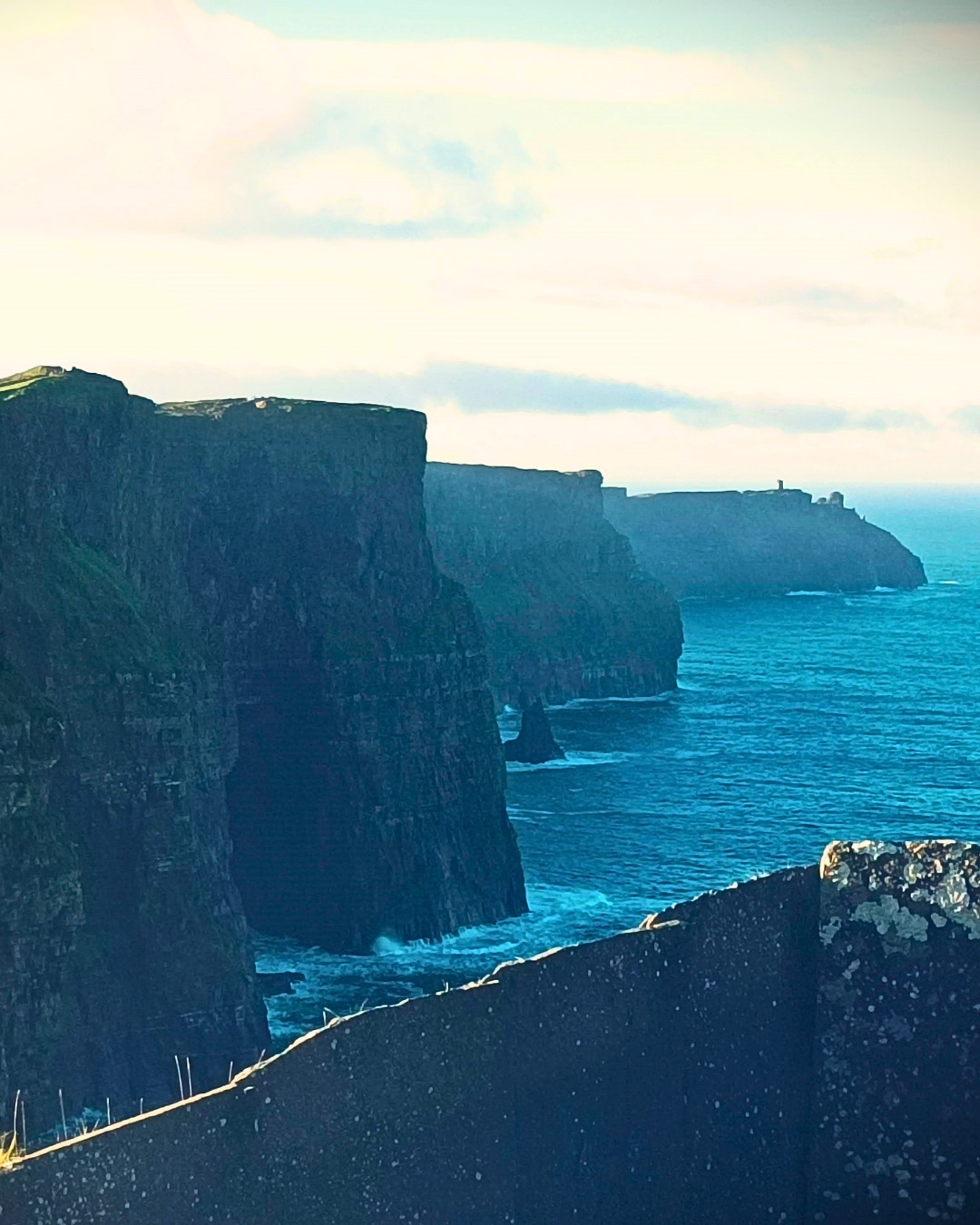
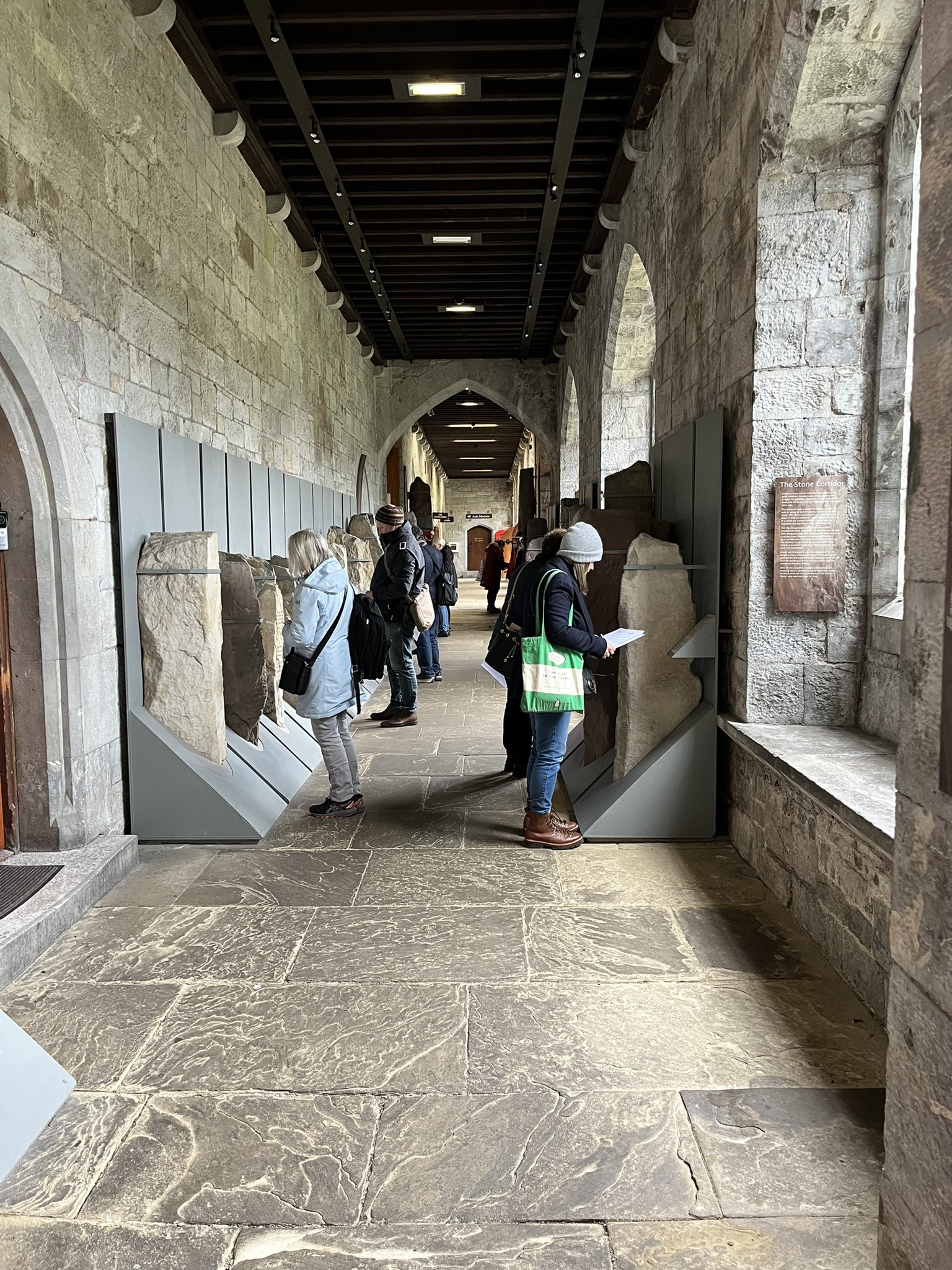
The Diploma in Heritage and Folklore Studies provides its students with the skills and knowledge to become informed, independent researchers into folklore, local history, culture, and traditions. By working with experts in a variety of fields, you will learn to apply the approaches used by historians, folklorists, Celtic scholars, archaeologists and geographers. You will critically engage with medieval tales, prehistoric monuments, historic documents, maps, museum collections, landscapes, and more. This two-year course blends the flexibility of part-time, online instruction (weekly) with the hands-on experience of site-based workshops and tours around Munster. The course will encourage you to learn and research independently and to develop analytical skills which will support your research project in year two. These diverse experiences, under a range of disciplines, will align throughout your studies under one unifying theme: the significance of locality and region to tradition.
The modules for the Diploma are as follows:
Year 1
- CC1801: Celtic Ireland
- AD1051: Studying Folklore: The Sayings and Doings of Common People
- AD1052: Historical Geography
- HI1801: Aspects of Modern Irish History
Year 2
- AD2866: The Irish Medieval Church
- AD2868: Local Food Studies: History, Tradition and Identity
- AR1012: Archaeology of Ireland: An Overview
- AD2874: Research Project on Local and Regional Studies
- AD2875: Community Memory - Influences and Dynamics
Course Queries
For Academic Queries and Course Content Queries please see our list of frequently asked questions here: FAQs Diploma in Heritage and Folklore Studies 2026 . If your query is not listed, please contact the Programme Coordinator.
For Online Application Support please click here.
Course Practicalities
The programme is normally taught one evening per week (expected to run on Thursdays 7pm until 9pm), with teaching and fieldtrips occurring on some Saturdays. Students will incur some minor costs for field trips. All field trips are based in Munster. Students are expected to attend all Saturday classes and fieldtrips.
Assessment
There are no formal written examinations; all work is evaluated on a continuous assessment basis. This incorporates a range of learning techniques including essays, fieldtrip/fieldwork reports, literature/sources review, document study, oral presentation, poster presentations and a research project.
Who teaches this course?
Staff from the School of History, Department of Folklore and Ethnology, Department of Early and Medieval Irish, Department of Archaeology, Department of Geography, and Adult and Continuing Education.
Why Choose This Course
If you are thinking of working or volunteering in the Irish heritage or tourism sector, this course will be of great benefit. It also provides a solid academic grounding if you want to pursue your studies at degree or higher diploma levels. Diploma graduates may apply for 15 credit exemption from first year of the BA degree in UCC. Depending on experience, diploma graduates may also qualify for the Local History MA (School of History) in UCC.
Requirements
Applicants must
- Be at least 18 years of age by 1 January of the year of application
- Demonstrate personal or professional interest in the related disciplinary fields. You will need to submit a 500 word motivation statement during the application to explain why you would like to do this course.
English Language Requirement:
All applicants whose first language is not English must provide evidence of English language proficiency. See the UCC English language proficiency requirements">English language proficiency requirements.
Please note:
Diploma programmes are offered subject to a minimum number of eligible applicants registering for the programme. Following completion of year 1 of this programme, should a sufficient number of eligible students not wish to progress form year 1 to year 2 of this programme as to make the year 2 viable, students will graduate with a certificate at that point. Programme viability is determined by reference to fee income and applicable costs in running the programme.
Fees and Costs
The programme fee is €1,750 per academic year
- Applicants pay 50% of the year-one fee on application (€875).
- This fee is fully refundable if the programme does not run or you are not offered a place on the programme
- The remaining 50% of the year-one programme fee is due by 31 Jan.
For further information on fees and financial supports please click here.
How To Apply
Before you apply, check to ensure you have access to the following documents which you will need to upload:
- Proof of Identity (Birth Cert, Passport or Driver's Licence)
- Passport-style Photograph
- Personal statement explaining your interest in the course
- English Language Test Report (if applicable)
- Supporting documentation if required for RPL
Start Your Application
Create an account or login to UCC Apply (click the 'Apply' button below).
- Start a new application
- WHEN ASKED FOR APPLICATION TYPE - YOU MUST CHOOSE: ADULT & CONTINUING EDUCATION
-
- Academic Level: Adult Continuing Education (ACE at UCC)
- Course Type: ACE Part-time Courses
- Academic Programme: Heritage and Folklore Studies - DiplomaDuring the application on the tab titled Academic Level, under Level Selection, select the following options:
A step-by-step visual application guide specific to this programme is available from the programme coordinator. A general application guide is available here: https://www.ucc.ie/en/ace/helphub/
Year 1 Modules
Year 2 Modules
Year 3 Modules
Year 4 Modules
For queries regarding course content or timetables please contact
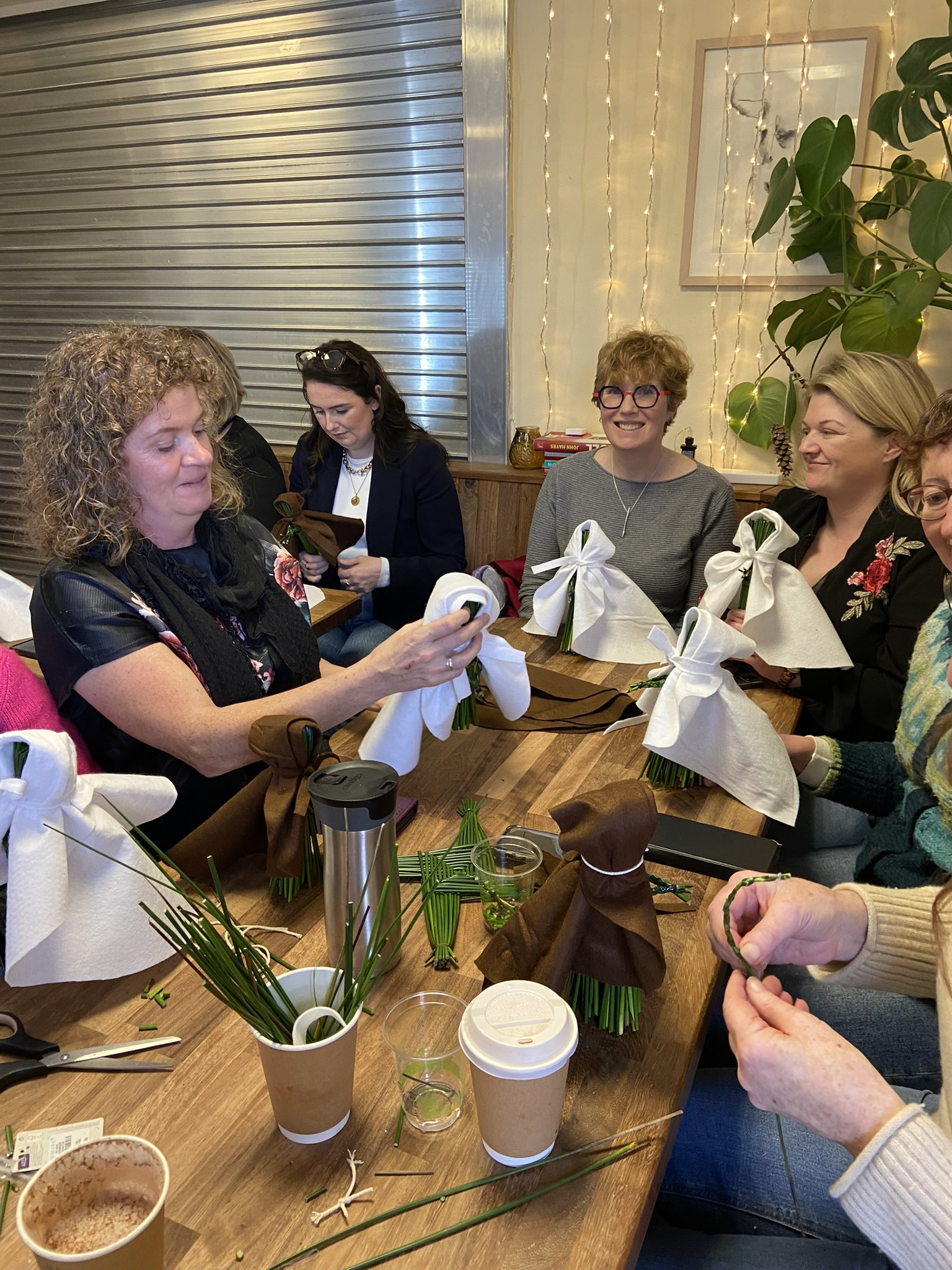
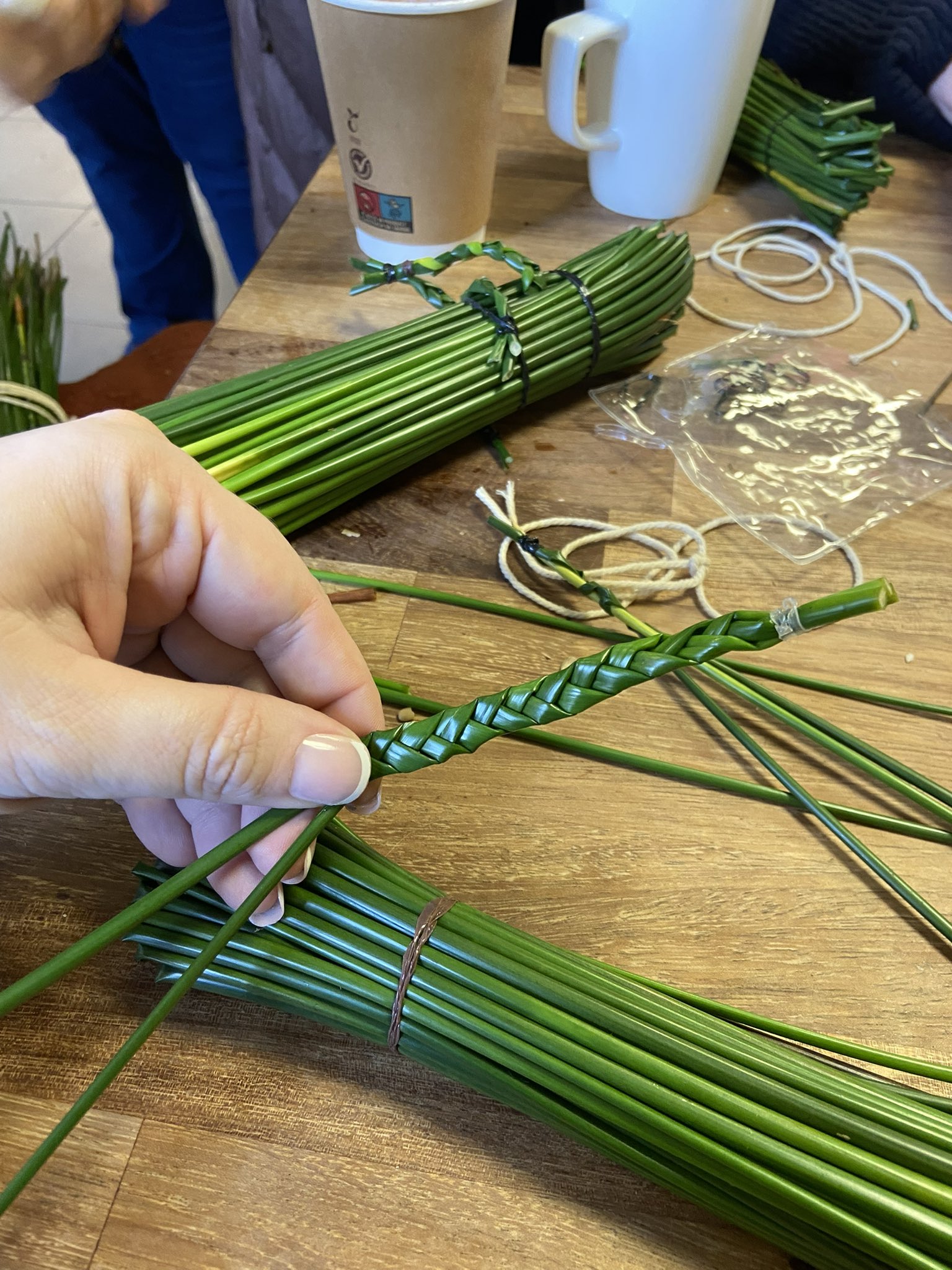
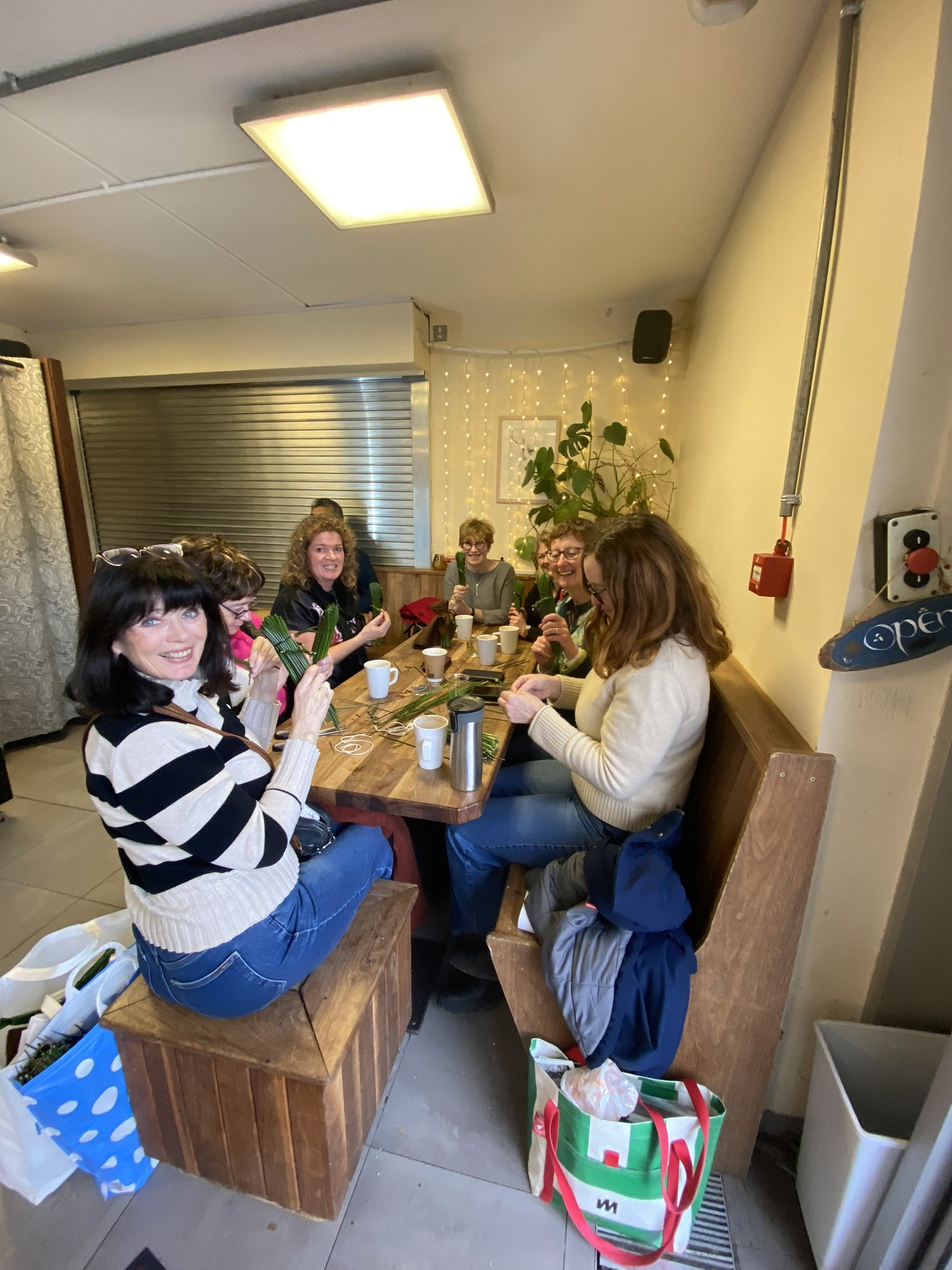
Field trips
.jpg)
Adult Continuing Education
Aosoideachas Leanúnach
Contact us
The Laurels, University College Cork, Western Road, Cork, T12 EH31