
The Future of Healing, Viewed Through a Headset
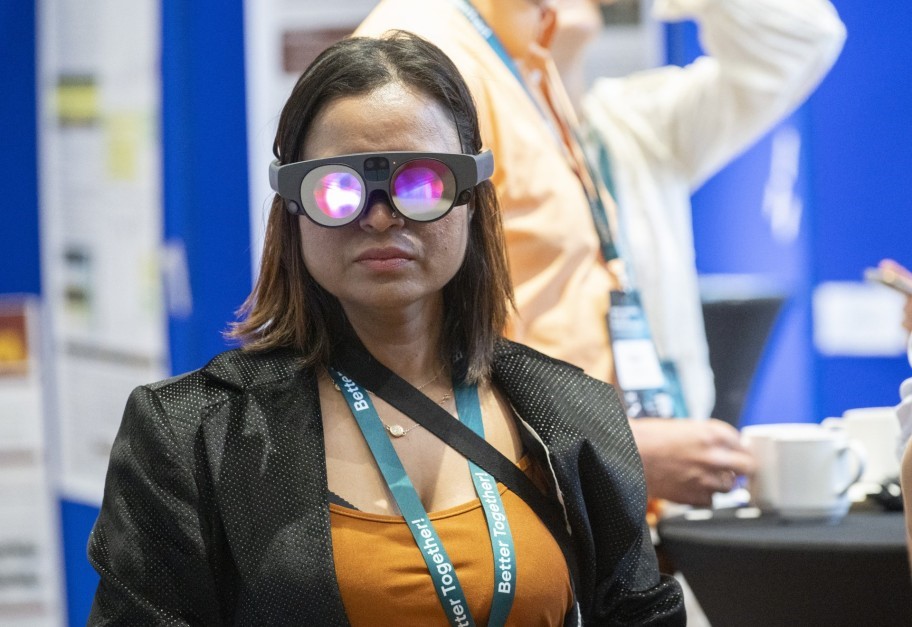
The World Conference on Virtual Rehabilitation, held at UCC over two days last week, was exactly that kind of gathering. Researchers, clinicians, developers, and the simply curious converged on the campus, drawn by a question that has become increasingly urgent: What happens when rehabilitation meets the virtual world?
The answers, as it turned out, were as varied as the participants themselves. And, as with any gathering of bright minds, there were also the inevitable glitches – a headset that refused to sync, a Wi-Fi signal that chose the wrong moment to falter. Small catastrophes, met with grace.
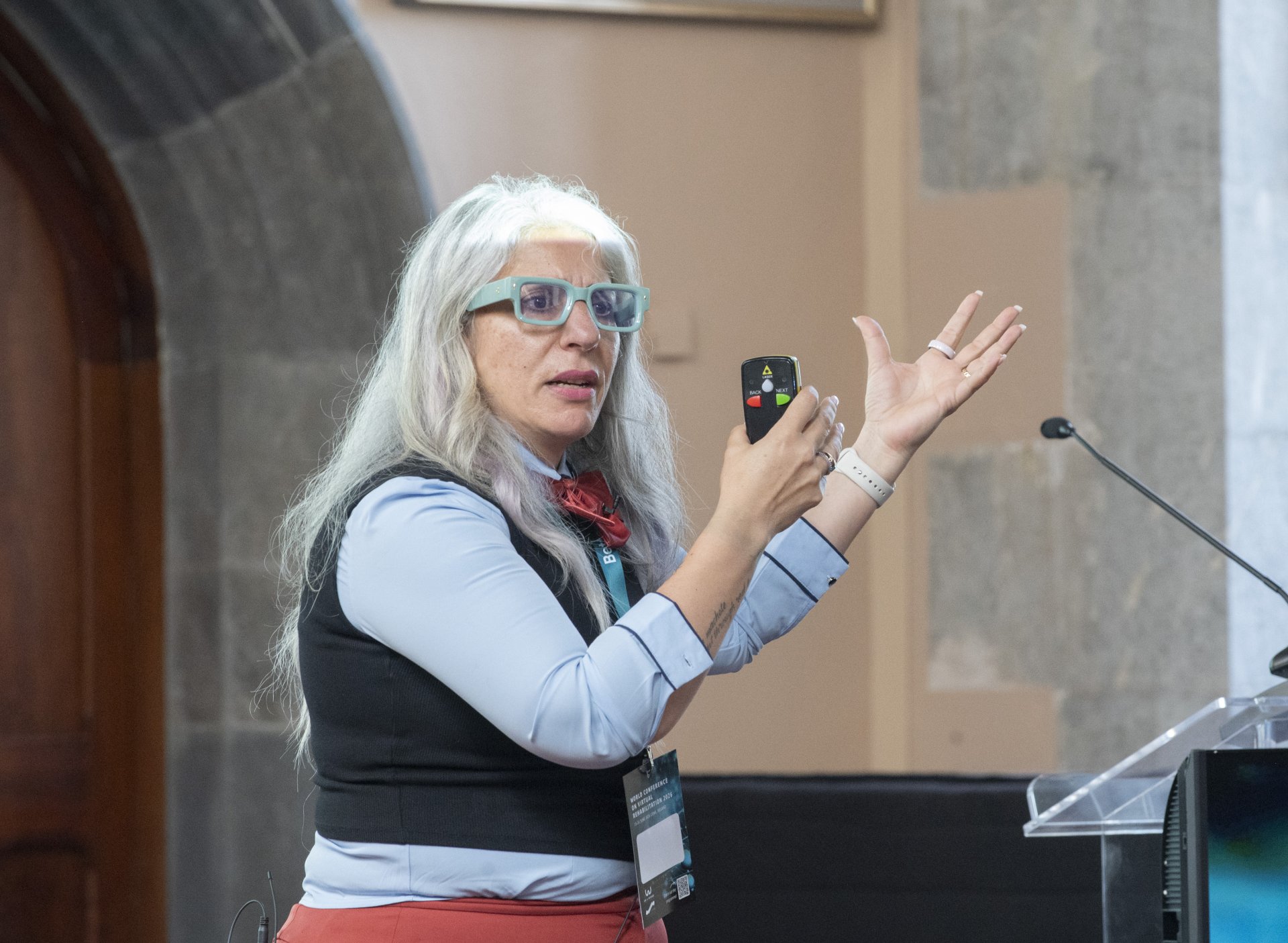
The Promise and the Practical
Virtual reality in healthcare has slipped from the realm of thesis into something approaching routine. The evidence is accumulating. Balance training for older adults shows measurable improvements. Stroke patients report greater motivation when their exercises are gamified. Chronic pain management, once dependent on pharmaceuticals, is finding new pathways through immersive environments.
At the conference, researchers presented findings that ranged from the granular to the visionary: digital biomarkers that could predict recovery trajectories, fascinating interventions for ADHD, and the integration of artificial intelligence that adapts exercises in real-time.
Two Days of Discovery
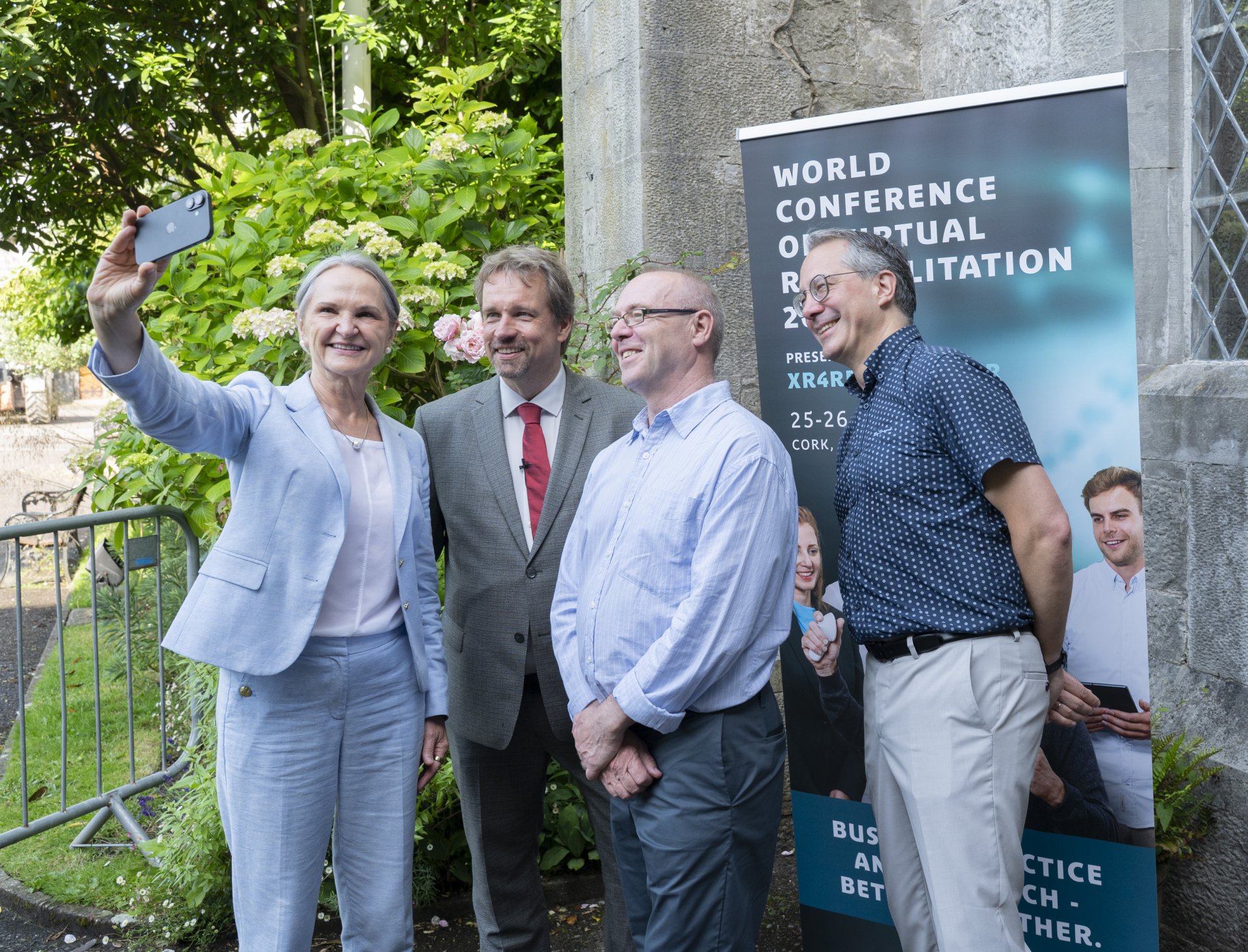
The programme itself was a testament to the field’s breadth and ambition, opening with a welcome from Professor Helen Whelton, Head of the College of Medicine and Health, whose vision for an Academic Health Sciences System in the South West is itself a model of the collaborative spirit that defined the conference. She was joined by Remco Hoogendijk of XR4REHAB and Professor Philippe Archambault of the International Society for Virtual Rehabilitation. The opening keynote, ‘Better together: Why rehab’s future lives at the intersections,’ was delivered by Zayna Khayat, whose call for collaboration across disciplines set the tone for the two days that followed.
Across the programme, expert insights came from some of the field’s most respected figures. José Ferrer Costa explored the journey from pilot to pathway, examining how XR can be embedded in biopsychosocial rehabilitation. Professor Mindy Levin spoke on augmented feedback in XR, while Ross O’Brien addressed the critical intersection of policy and practice. Clinical implementation was a recurring theme, with Nick Perez offering a UK perspective on embedding XR in clinical pathways.
The Intersections
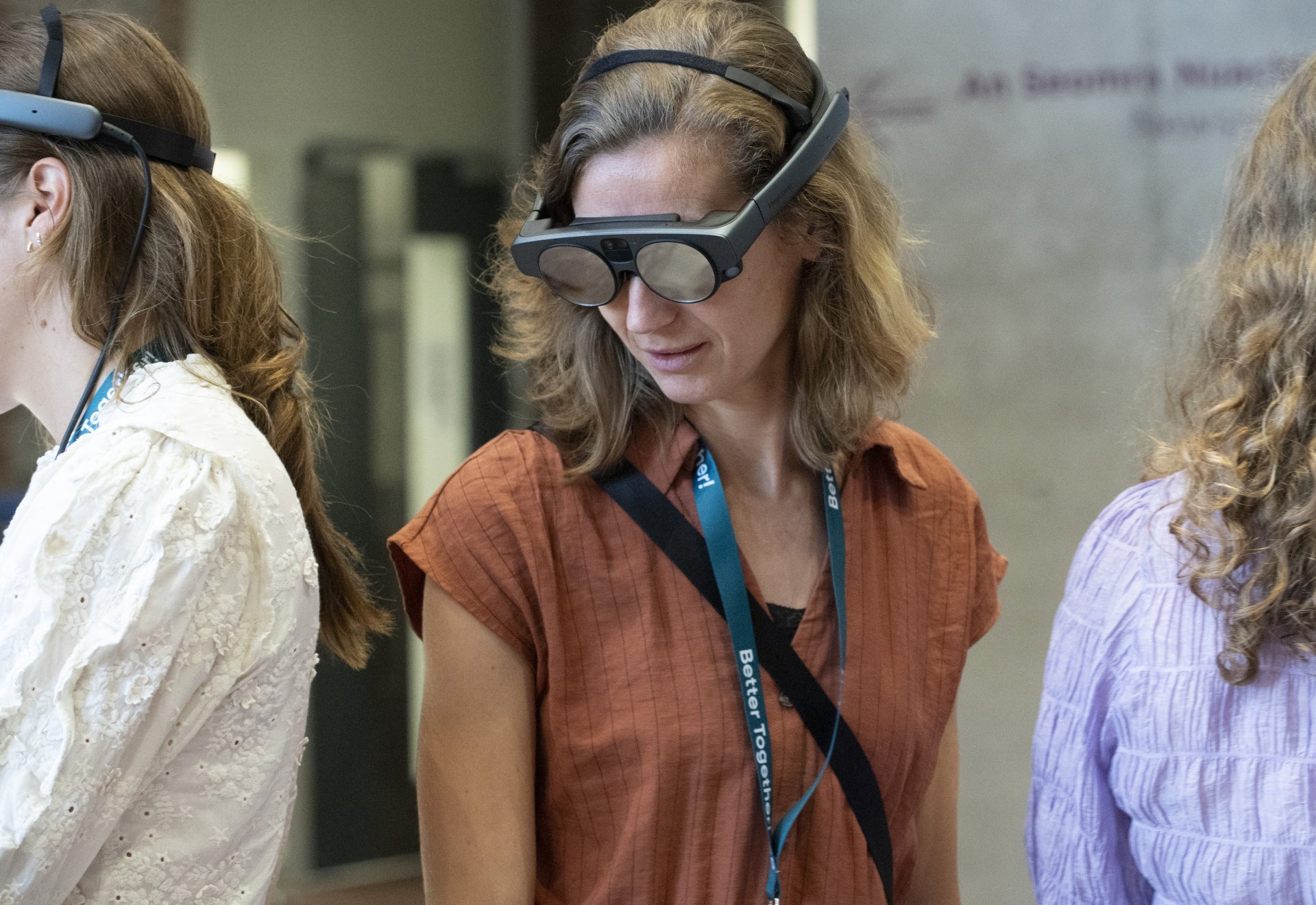
Over the two days, the phrase that kept surfacing was ‘better together’ – it was the theme of the conference, repeated often enough that it began to feel like a guiding principle. Better together… not just the technology and the clinicians, but the researchers and the patients, the developers and the regulators, the visionaries and the sceptics. The conversations in the Aula Maxima and across the Dora Allman suggested that ‘better together’ is certainly a tenet worth pursuing.
Virtual rehabilitation is only as good as the hands that shape it. And in Cork, those hands – working together – were steady, patient, and entirely human.