

Alumni Spotlight: Justine Kelleher, Behavioural Sleep Specialist
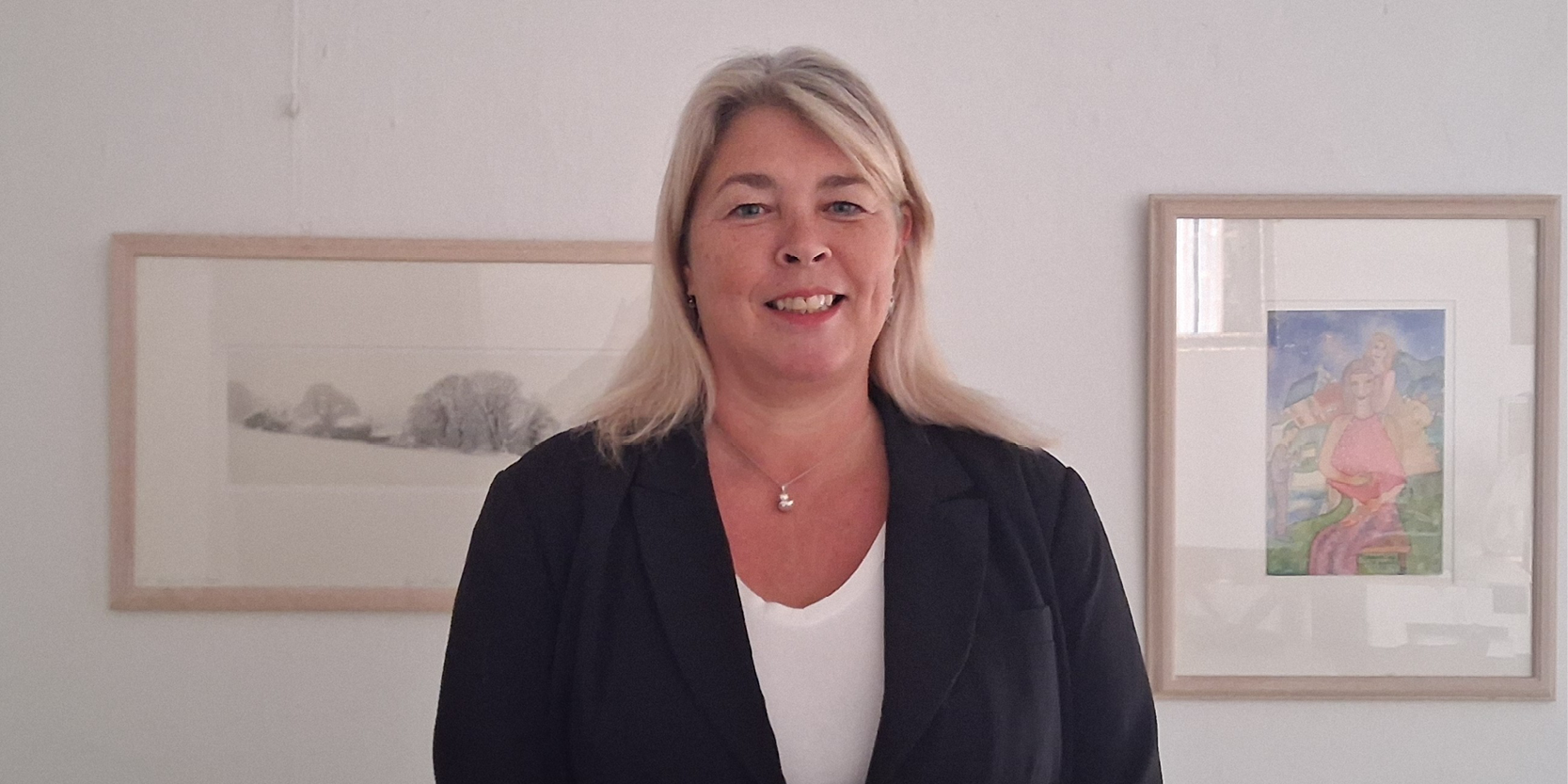
Justine Kelleher is a Behavioural Sleep Specialist at SleepSussed, exploring the role of sleep, recovery and sustainable wellbeing. Her career has become her passion, raising awareness of the importance of sleep and advocating for better sleep health in the community.
What did you study and what was your experience like?
I loved my time at UCC. I was a mature student when I was offered a place on the Intellectual Disability Nursing BSc degree. Initially, I found the course quite challenging, as the first year included many science subjects I had not studied before, and I had been out of education for some time. I was also a married woman with four children, so my experience was quite different from that of a school leaver.
Thankfully, there were other mature students on the course, and we quickly formed friendships that have endured to this day. Despite the demands of family life and studying, I somehow managed to find the time to study and passed all my exams and assignments without any issues.
For most of the four years, I commuted daily by bus from Macroom, as it was the most economical and convenient way to travel to Cork, although I drove more frequently during the final two years.
Our year was the first-degree cohort, so in many ways we were the guinea pigs! We didn't have a dedicated building for our course until our final year. Most mornings were spent in the Gate Cinema, where we studied surrounded by the smell of popcorn and floors and seats that were often sticky from spilt drinks and sweets. Our afternoons were generally spent in Distillery House, although we sometimes had classes on campus, depending on the subject.
This arrangement could be challenging, particularly when it came to accessing facilities such as the university library. A trip to campus often had to be squeezed into a lunch break or one of the few gaps in our timetable.
Even during academic holidays, we were frequently on clinical placements, developing the practical skills that were just as important as academic knowledge in preparing us for our nursing careers.
Alongside my studies, I was a class representative in third year and represented nursing students on the University's Medical Board in second year. I also had the opportunity to attend the Learning Disability Student Conference at the University of Nottingham in the UK on two occasions. I have very fond memories of Elaine Drummond, who accompanied us on these trips, a fantastic lecturer and a great mentor to all of us nursing students.
Looking back, my time at UCC was challenging but hugely rewarding, both personally and professionally.
Tell us about your career journey since graduating.
My career has taken many different directions since graduating. I began as a staff nurse with the Cope Foundation before moving into a role as a preschool therapist with the Brothers of Charity. During that time, I also undertook some tutoring with autistic children.
I subsequently moved into management, progressing from Clinical Nurse Manager 1 (CNM1) to Assistant Director of Nursing (ADON) across several services. Between management roles, I also worked as an agency nurse, which gave me experience in a variety of settings.
Later, I became a Clinical Nurse Specialist with a national community disability team at CoAction West Cork. It was during this role, working closely with parents of children with intellectual disabilities, that I began to recognise just how many of these children experienced sleep difficulties. This sparked my interest in becoming a children's sleep practitioner. So, this was the first training that I did.
I went on to train in Cognitive Behavioural Therapy for Insomnia (CBT-I), travelling to Edinburgh twice for this training that was not available in Ireland. Luckily, some of the courses were available online. I also completed a postgraduate training in Counselling and Psychotherapy. I then completed an International Master's degree in Sleep Medicine at the Universidad de Europa in Madrid, Spain.
Today, I work independently as a behavioural sleep specialist with both adults and children. My career has certainly taken some unexpected turns, but each role has contributed to the knowledge and experience I bring to my work today.
What experiences shaped you along the way?
My experiences as both a parent and a healthcare professional have shaped my understanding of sleep and its importance.
As a parent, I experienced firsthand the impact that a lack of sleep can have on daily life, particularly on concentration, energy levels and the ability to cope with everyday demands.
My work in intellectual disability services also opened my eyes to the challenges surrounding sleep in residential settings, where noise, sleeping arrangements and the environment can significantly affect sleep quality.
Working with parents of children with intellectual disabilities brought home to me the exhaustion and frustration that can arise when a child experiences ongoing sleep difficulties. I saw how challenging it could be for families to get a proper night's rest, and how difficult it was for parents to take a break, even when respite care was available. These challenges can continue well beyond childhood, including when their children reach adulthood.
On a personal level, I have also experienced episodes of acute insomnia and understand the frustration of being unable to sleep. Experiencing this myself has given me an additional appreciation of how profoundly sleep difficulties can affect a person's wellbeing.
Together, these personal and professional experiences have helped shape my passion for sleep and my commitment to helping people improve their sleep and quality of life.
What advice would you give to current students?
My advice would be to find what you are passionate about. It may or may not be directly related to your primary degree, but opportunities for further training are often available if you are willing to seek them out. Explore what's possible and work out how you can turn your interests into a career that suits you.
I held many different roles throughout my career before eventually realising that, if I wanted to do the work I was truly passionate about, I needed to take the initiative and create that opportunity for myself by establishing my own practice.
When you are young and studying, it can be difficult to imagine where your career will take you. My advice is not to feel that you must have everything mapped out from the beginning. Be open to different opportunities, gain experience in a variety of roles and learn what suits you.
Most importantly, think outside the box. Your career does not have to follow a conventional path, and it is never too late to pursue something that genuinely interests you.
What are your favourite memories of campus, clubs, societies or student life?
My fondest memories of UCC are the friendships I made and the people I met along the way. My time there taught me a great deal, not only about nursing but also about myself.
Whenever I could find the time, I enjoyed going to the climbing walls at the Mardyke with another nursing student. It was a great way to take a break from the demands of studying.
As I had a family and lived some distance from the university, I didn't have as much opportunity to get involved in clubs and societies as some other students might have had. Nevertheless, my four years at UCC gave me lasting friendships and memories that I still treasure.
Looking back, I feel very fortunate to have had the opportunity to study at UCC. It was a demanding time, balancing family life, commuting, academic work and clinical placements, but it laid the foundations for a varied and rewarding career.
Advancement Office
An Oifig Cothaithe
Contact us
Cork University Foundation is incorporated in Ireland as a limited liability company and a registered charity (CRN: 243605, RCN: 20033385, CHY11831). Room 2.12, Western Gateway Building, Western Road, Cork, T12 XF62