In This Section
- Home
- About
- News
- Research Projects
- Great Saltee Island Seabird Conservation
- Estimating and mitigating the impact of bird damage to crops in Ireland
- The ecology of the Red Grouse in Ireland
- The conservation ecology of a declining population of hen harriers
- The spatial and population ecology of White-tailed Eagles since their reintroduction to Ireland
- Sustainability measures in cereal production
- Using spatial ecology to develop a sustainable habitat management strategy for red-billed chough in Ireland
- The distribution and behaviour of the European Storm-petrel at sea
- People
- Gallery
- How to Find Us

Project Oveview
Seabirds are among the most threatened birds globally. Loss of food is one of the main problems seabirds face but they also face many other threats at the breeding colonies themselves.
Invasive species
Over the last 10 years, research carried out by UCC students under the supervision of Prof. John Quinn in collaboration with the National Parks & Wildlife Service (NPWS), Department of Housing, identified that rats have had a major negative impact on the numbers of Atlantic Puffins, whose numbers were critically low. This research directly lead to the eradication of the rats by NPWS in 2021, since when the numbers of Puffins have increased several fold.
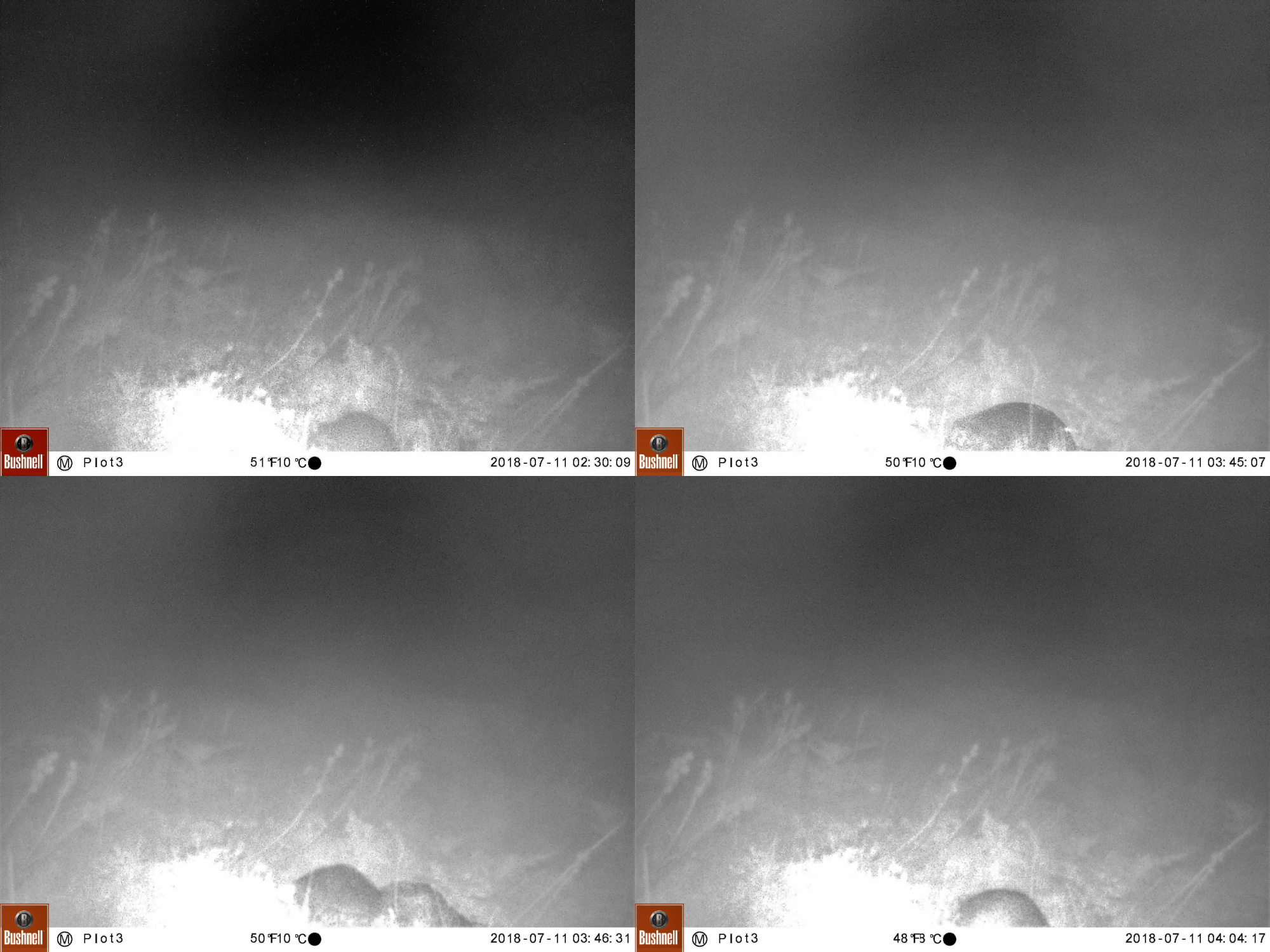
Fig 1. Camera trap photos of rats on Great Saltee Island
Tourism
The seabird colony on Great Saltee is important for the local economy because it attracts much of the tourism to the area. However, our research has also shown that uncontrolled access leads to unacceptable disturbance, causing breeding failure in Gannets and likely puffins. This research lead to the establishment of wardening on the island, which is helping to prevent inadvertent disturbance by tourists.
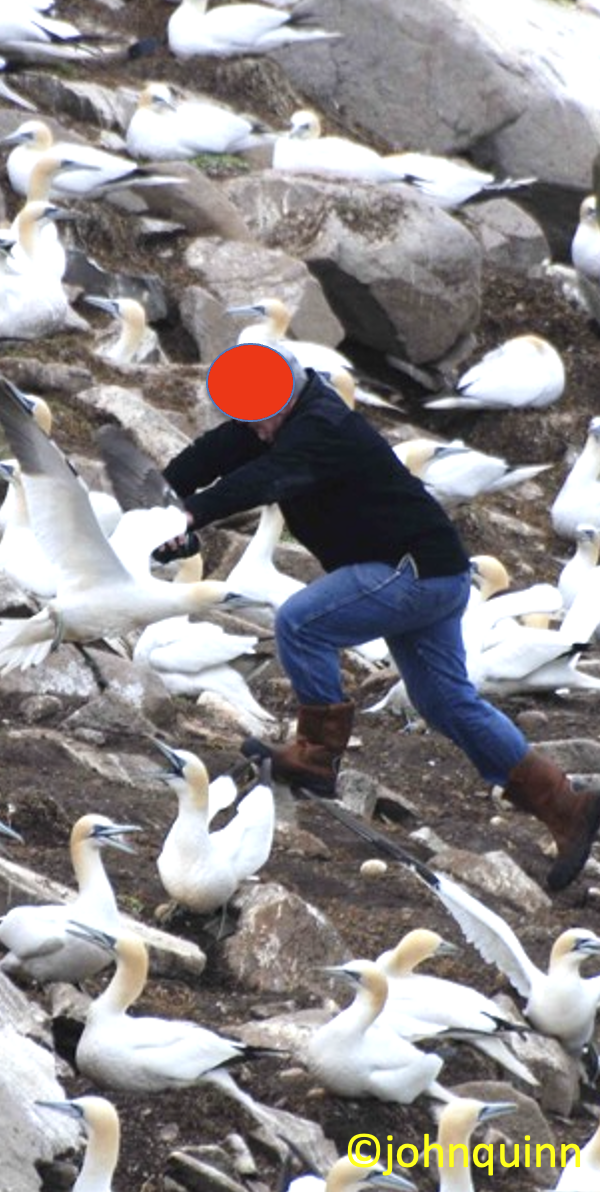
Fig 2. Tourist disturbing gannet colony on Great Saltee Island
Wind farms
Although offshore windfarms have the potential to contribute greatly to controlling global warming, they also pose a potential hazard to seabirds looking for food at sea. Research led primarily by Dr Mark Jessopp aims to help assess the likely impact of offshore windfarms on seabirds in this area and in other areas around the country. This is achieved by using GPS technology in small tags that track where birds go to sea to look for food for their chicks.
UCC Ornithology Research Group
Contact us
School of Biological, Earth and Environmental Sciences, UCC North Mall Campus, North Mall, Cork City,