

In This Section
Researchers warn that powerful El Niño could trigger global food and health crises
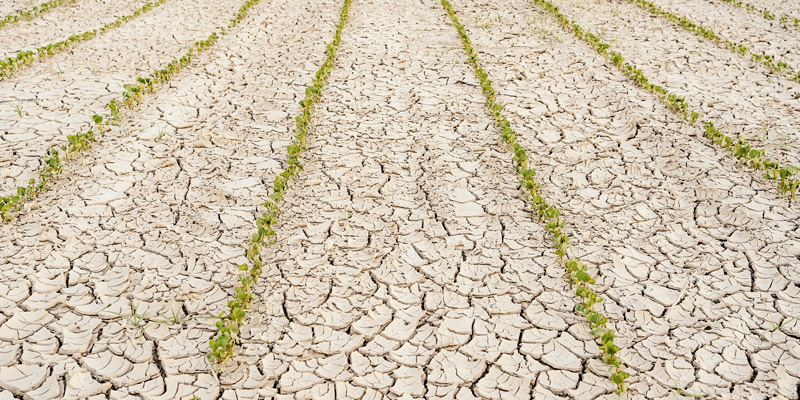
- The developing 2026–27 El Niño could be among the strongest in more than a century.
- Scientists warn that extreme weather, food insecurity and infectious disease risks must be tackled together.
- Governments and international agencies urged to strengthen preparedness before crises escalate.
A potentially historic El Niño weather event could trigger far-reaching consequences for global food security and public health, according to researchers writing in the prestigious scientific journal Nature.
In a commentary published this week, Professor Eoin McLaughlin, Herriot Watt University, Edinburgh and Professor Matthias Beck, University College Cork (UCC), warn that the developing 2026–27 El Niño could be among the strongest in more than a century, with consequences extending well beyond extreme weather.
Their article, The super El Niño is more than a climate shock – it’s a health one, too, highlights the interconnected threats posed by food shortages and disease outbreaks, arguing that these challenges must be addressed together rather than treated as separate emergencies.
El Niño is a recurring climate phenomenon associated with unusually warm ocean temperatures in the tropical Pacific. It can disrupt weather patterns across the globe, contributing to droughts, flooding and extreme temperatures in different regions.
The researchers highlight the importance of recognising the wider human consequences of major climate events, particularly for populations already vulnerable to food insecurity and inadequate healthcare.
A growing threat to global health
The researchers' central warning is that the consequences of extreme weather cannot be considered in isolation. Food insecurity and disease outbreaks can place overlapping pressures on vulnerable populations and already stretched health systems.
Eoin McLaughlin, Professor of Economics and Head of Research in the Department of Accountancy, Economics, and Finance in the Edinburgh Business School at Heriot-Watt University said: "El Niño is a naturally occurring climate phenomenon that can be monitored and forecast months in advance. Countries have developed ways to adjust to El Niño’s, but when a very strong El Niño occurs it can overwhelm food and health systems. This year’s super El Niño is particularly worrying because food systems are already under pressure due to ongoing wars in Ukraine and Iran, and shortages of fertilisers."
Professor of Economics at Cork University Business School in UCC, Matthias Beck, a co-author of the study, said "Major natural disasters can have drastic adverse impacts on food supplies and human health. We need to move beyond responding to individual disasters and recognise how climate shocks can trigger wider humanitarian emergencies. Governments and international organisations must prepare for these interconnected risks before they escalate."
The importance of early intervention
The analysis reinforces the need for coordinated international preparedness as governments and humanitarian organisations respond to the developing El Niño.
By recognising the connections between climate disruption, food security and public health, policymakers can better anticipate the consequences of extreme weather and strengthen protections for vulnerable communities.
The researchers argue that responding effectively to the developing climate event will require attention not only to its environmental impacts but also to its potentially serious consequences for human health.