
News
Year in Review 2020
We are delighted to highlight an incredible year of success and impact for the APC Microbiome Ireland and UCC communities
January
No public announcements were made this month.
February
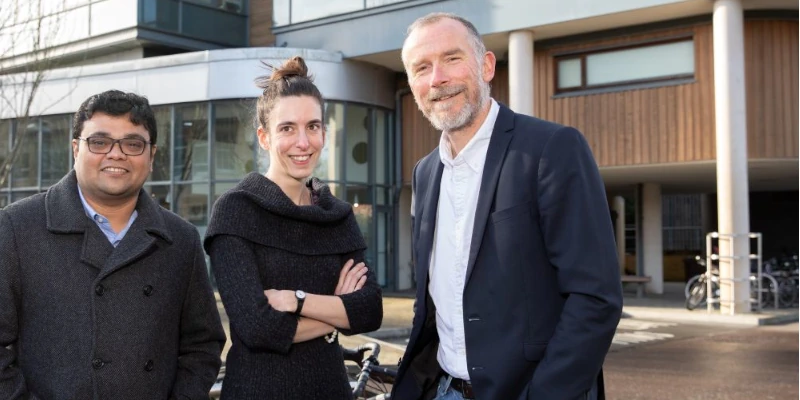
PHOTO courtesy of Tomas Tyner, UCC (left to right): Dr Tarini Ghosh, Ms Marta Neto and Prof Paul W. O’Toole, APC Microbiome Ireland and School of Microbiology, University College Cork
On 7 February, Joe Pennycook and Simon Spichak, APC PhD students, won first and second place at the Cork heat of FameLab, Ireland’s national science communication competition. Their engaging talks on the microbiome—“Belly of the Beast” and “Your Brain on Bugs”—earned them spots in the national final.
On 9 February, Researchers at APC identified more than 1,000 new single-stranded RNA viruses that infect bacteria. The study, published in Science Advances, increased known ssRNA phage genomes sixty-fold and proposed a new viral taxonomy. This expands understanding of virus–bacteria dynamics in the environment.
On 10 February, a study of Ireland’s national cricket team showed that overseas travel disrupted players’ gut microbiomes and increased antibiotic resistance genes. The team’s microbiota became less stable during trips, especially after visiting India, with the greatest disruption seen in players who became ill.
Also on this date, APC backed the Microbiology Society’s “Science for Ireland” position statement, which urged the incoming Irish government to strengthen investment in research, support scientific talent, and prioritise cross-border collaboration.
On 17 February, researchers in APC’s Microbes to Molecules group discovered two new bacteriocins: Actifensin, from sheep faeces, and Nisin J, from human skin. Both showed strong antimicrobial activity against resistant pathogens, including MRSA and VRE. These findings add to APC’s expanding portfolio of microbiome-based antimicrobial agents.
On 18 February, the NU-AGE study, involving APC’s Paul O’Toole, found that a Mediterranean diet improved gut microbiota composition and reduced frailty in older adults. Participants aged 65–79 across five countries had more ‘diet-positive’ microbes, which correlated with better immune function and cognitive health.
On 27 February, four APC researchers—Eileen Ryan, Ciaran Lee, Maria Rodriguez Aburto, and Maria Esteban-Torres—were awarded Marie Skłodowska-Curie Fellowships for projects on host–microbe communication, inflammation, microbial signalling in neurodevelopment, and maternal–infant microbial transfer. The awards strengthen APC’s position as a leading centre for postdoctoral research training.
March
On 13 March, APC and DuPont Nutrition & Biosciences announced a major collaboration focused on infant microbiome health. The project will investigate the impact of early-life factors such as delivery mode, antibiotic exposure, and feeding practices on the development of the infant gut microbiota. The aim is to support healthier microbial colonisation through targeted microbiome-based interventions.
April
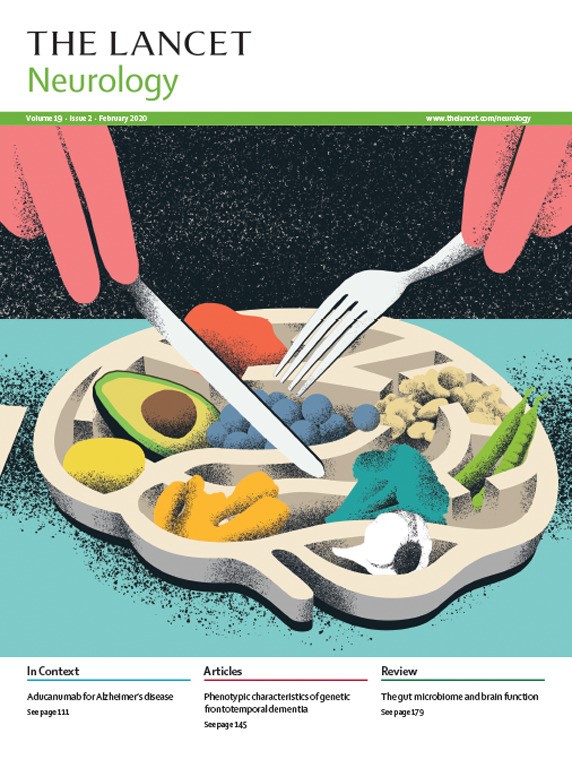
APC review as the cover image for The Lancet Neurology
On 7 April, APC researchers joined a national cross-institutional effort to address COVID-19 testing bottlenecks by producing essential lysis buffer. Working with teams from UCC, Teagasc, CIT, UL, CUH, and Eli Lilly, the group helped supply Irish hospitals with reagents critical to sustaining COVID-19 diagnostics. This rapid response highlighted the research community’s capacity to mobilise under pressure.
On 8 April, Joe Pennycook and Simon Spichak represented APC in the national final of FameLab Ireland, streamed online due to COVID-19 restrictions. Both had advanced from the Cork heat, and their engaging science talks reflected APC’s strong communication culture. The final featured contestants from across the country and an international judging panel.
On 16 April, María Ángeles Núñez Sánchez, a Marie Curie Fellow at APC, was selected to attend the 2020 Lindau Nobel Laureate Meeting. Chosen from over 20,000 applicants, she was invited to join 660 young scientists and around 70 Nobel Laureates for scientific exchange and mentoring. Her research focuses on microbial bile acids and gut development in early life.
On 16 April, Transition Year students from Mount Mercy College ran “Fuel Your Gut Week” as part of the Young Social Innovators programme. With support from APC, students explored links between gut health and mental wellbeing. Their campaign included food fermentation demos, microbiome education, and outreach to local primary schools using APC’s inflatable digestive system.
On 16 April, APC partnered with UCC’s School of Pharmacy to deliver workshops on antimicrobial resistance to Junior Cycle teachers. These sessions, part of the JCT STEAM programme, explored biodiversity at macro and microscale levels. Delivered in venues like Dublin Zoo and Fota Wildlife Park, the workshops aimed to help teachers embed microbiome topics in multiple subjects.
On 16 April, the 2020 MSCA Individual Fellowship call opened, and APC encouraged international researchers to apply with support from the centre. Applicants were offered proposal guidance, mentorship, and collaboration opportunities within APC’s research themes.
On 16 April, a study by Aoife McHugh in Paul Cotter’s lab demonstrated how high-throughput DNA sequencing can track microbial movement through the dairy supply chain. Sampling across over 50 farms and processing stages, the research showed microbial shifts from raw milk to skimmed milk powder. The approach is now being scaled up through the EU-funded MASTER project.
On 16 April, a review by APC’s gut-brain axis researchers appeared on the cover of The Lancet Neurology. The article outlined current evidence linking the gut microbiome with neurological disorders including Parkinson’s disease, autism, and multiple sclerosis. It called for better-designed clinical studies to build on existing preclinical insights.
On 20 April, Six APC researchers received prestigious postdoctoral fellowships—four MSCA and two IRC awards. Their projects cover psychobiotic diets, microbiota-stress communication in zebrafish, immune signalling, maternal-infant transmission, microbial enzyme function, and brain development. The awards reflect APC’s strength in mentoring early-career researchers.
May
On 1 May, the Irish Coronavirus Sequencing Consortium, led by APC’s Paul Cotter, received €378,000 in SFI emergency funding. The project aims to sequence SARS-CoV-2 samples from across Ireland to track mutations and viral spread.
On 19 May, a study from APC and Teagasc showed that two types of kefir had similar effects on the gut microbiome of mice but caused different effects on their behaviour and immune systems. Both kefirs increased the gut’s capacity to produce GABA, a key neurotransmitter involved in the gut–brain axis.
On 25 May, an international study involving APC revealed that lactic acid bacteria (LAB) from fermented foods are genetically similar to LAB found in human guts. The research, part of the MASTER project, used genome-wide analysis of LAB from over 300 foods and 10,000 faecal samples, showing that diet is a major source of potentially probiotic bacteria.
On 29 May, APC researchers Cormac Gahan and Brendan Griffin secured two Marie Skłodowska-Curie Innovative Training Networks (ITNs), COL_RES and InPharma, worth €5.66 million. These European PhD programmes will focus on microbiota-based resistance to foodborne pathogens and replacing animal testing in oral drug formulation development.
June
On 3 June, APC joined the newly launched SOPHIA consortium, a pan-European initiative to improve care for people living with obesity. The project will study biological and societal drivers of obesity, build predictive tools for treatment response, and develop personalised interventions. It includes 29 partners across academia, industry, and clinical care.
On 4 June, APC hosted the first Virtual Metabolic Humans conference, bringing together researchers studying host–microbiota interactions, metabolism, and systems biology. The online format featured talks from international leaders and emerging investigators. Recordings were made available to support global engagement during the COVID-19 pandemic.
On 15 June, researchers led by Marcus Claesson published two of the largest microbiome studies ever conducted in patients with inflammatory bowel disease. The first, in Nature Communications, showed that microbial changes at colonoscopy sites were directly linked to inflammation in the colon. The second, published in Gut, tracked 700 patients in Ireland and Canada and found that microbiome disruptions could predict disease relapse before symptoms appear. The findings pave the way for early intervention tools in Crohn’s disease and ulcerative colitis..
On 16 June, a new project called DISCOVeRIE was awarded funding to study the gut–brain axis in irritable bowel syndrome (IBS). The research will integrate microbiome, immune, and clinical data to better understand symptoms and treatment response. The team includes APC researchers John Cryan, Fergus Shanahan, and others across UCC and CUH.
On 18 June, APC researchers and artists collaborated on Discover the Diverse World of Microbes for World Microbiome Day. The events introduced young audiences to the unseen microbial world and highlighted their importance in food, health, and the environment. It featured colourful visuals, APC researchers, and school children.
On 19 June, APC featured in an episode of RTÉ’s Home School Hub with a segment called Food Is Funky. The broadcast showed children how to grow their own microbes using fermented foods like kefir and yoghurt. It promoted microbiome science in a playful and accessible way during school closures.
On 20 June, APC reported a series of recent funding successes, including EU-funded Marie Skłodowska-Curie Innovative Training Networks (COL_RES and InPharma), the DISCOVeRIE project, and national COVID-19 sequencing grants. The awards strengthen APC’s international training programmes and pandemic research response.
On 22 June, Catherine Stanton received the American Dairy Science Association’s Distinguished Service Award—the association’s highest honour. The award recognises her contributions to dairy microbiology, human milk research, and translating science into practice through probiotics and nutrition.
On 26 June, APC spinout PrecisionBiotics Group was acquired by Novozymes, a global leader in industrial biotech. The deal will support expansion of microbiome-based solutions in food and health, and reflects the growing commercial value of APC’s research ecosystem.
July
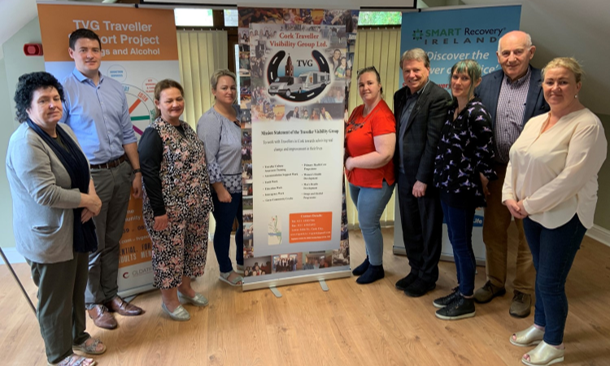
The study scientists with members of the Cork Traveller Visibility Group (from left to right: Biddy McDonagh, David Keohane, Gene O’Donoghue, Nora Cash, Liz McGrath, Fergus Shanahan, Caroline Barnard, Michael Molloy, and Breda O’Donoghue
On 6 July, a study led by APC, in collaboration with the Traveller Primary Healthcare Project, found that changes in lifestyle among the Irish Traveller community are linked to changes in their gut microbiome. Travellers living in modern housing had less diverse gut bacteria compared to those maintaining traditional nomadic patterns. The research highlights how environment and lifestyle influence microbial diversity, with potential implications for health.
On 24 July, APC launched its latest spinout company, SeqBiome, to offer high-quality, standardised microbiome analysis services to academia and industry. Founded by Paul Cotter and colleagues, the company will provide sequencing and bioinformatics tools to support food, pharma, and clinical microbiome applications. SeqBiome builds on APC’s long-standing expertise in gut and food microbiome research.
August
On 13 August, APC researchers conducted a global study comparing microbiomes in traditional and industrial cheeses. Using metagenomic analysis, they found that traditional cheeses from Europe and Africa host more diverse microbial communities than commercially produced varieties. These differences influence flavour, safety, and potential health benefits, and offer opportunities for preserving microbial biodiversity in artisanal food production.
September
On 4 September, APC published 15 Impacts, a 44-page review celebrating scientific and commercial highlights from the centre’s 15 year history. The report covered key discoveries, industry partnerships, public engagement, and spinouts, showcasing APC’s role in microbiome science and innovation. It also set out strategic goals for the centre’s next phase.
On 9 September, APC joined the EU-funded SPRINT project to investigate pesticide impacts on the environment, humans, and the microbiome. Researchers will explore how chemical exposure affects microbial communities across soil, water, plants, animals, and people. The goal is to support a transition to more sustainable plant protection strategies in line with EU policy.
On 14 September, Professor Fergus Shanahan launched his new book, The Language of Illness, at an APC-hosted online event. The book explores how we talk about illness, how language shapes our experience of being sick, and why better communication is essential in healthcare. The launch featured discussion on narrative, empathy, and the microbiome.
On 24 September, APC was awarded further SFI funding under the COVID-19 Rapid Response programme. The new project will examine how the gut microbiome influences the immune response to SARS-CoV-2 and other viral infections. It builds on earlier COVID-19 sequencing work and aims to support future pandemic preparedness through microbial profiling.
October
On 9 October, Professor Colin Hill received the UCC Career Achievement Research Award in recognition of his international leadership in microbiology and probiotic research. Hill has been a founding figure in APC’s development and has contributed to major scientific discoveries, industry partnerships, and mentorship of early-career researchers.
On 22 October, APC researcher Dr Susan Joyce was awarded an SFI Public Service Fellowship to work with the Food Safety Authority of Ireland (FSAI). Her project will explore how the gut microbiome influences the safety and health impact of chemical exposures, helping to inform future food policy and risk assessment frameworks.
On 26 October, APC celebrated Cork Science Festival and Cork Discovers 2020 by contributing to a series of virtual public engagement events. These included online talks, videos, and educational activities introducing microbiome science to new audiences. The move to digital formats ensured continued outreach during the pandemic.
On 27 October, APC announced a new industry collaboration with The Kraft Heinz Company to develop natural microbial cultures for use in food production. The partnership aims to enhance food safety and quality while reducing reliance on chemical preservatives. The project supports APC’s expanding role in sustainable food innovation.
On 28 October, APC reported multiple new funding awards, including European and national grants. Projects range from microbial metabolites and gut–brain communication to early-life microbiome development. The new funding strengthens APC’s research pipeline and supports continued collaboration with academic and industry partners.
On 28 October, a mouse study led by APC showed that Caesarean section delivery has lasting effects on social behaviour. Mice born by C-section exhibited altered social preferences and stress responses into adulthood. The findings highlight the long-term influence of birth mode on the gut–brain axis and behavioural development.
On 29 October, new APC research revealed that fibre supplements affect individuals differently depending on their microbiome composition. The study found no consistent “one-size-fits-all” benefit, underscoring the need for personalised approaches to dietary fibre interventions. Results were published in Psychopharmacology & Microbiome.
November
On 2 November, APC researchers were awarded four SFI Frontiers for the Future grants, supporting diverse projects in gut microbiome science. The funded work spans the influence of maternal microbes on infant health, microbial immune signalling, phage biology, and gut–brain interactions. These competitive grants support high-risk, high-reward research across Irish institutions.
On 18 November, thirteen APC researchers were listed among Clarivate’s Highly Cited Researchers 2020, ranking in the top 1% of their fields globally for citations. The recognition reflects APC’s consistent influence in microbiome science and the international relevance of its research across immunology, neuroscience, and clinical microbiology.
On 30 November, APC secured funding under the European Research Council’s Synergy Grant scheme for a major project on gut virus discovery. The programme will investigate viral “dark matter” in the human gut using metagenomics and advanced bioinformatics, aiming to uncover previously unknown viral families and their interactions with the microbiome.
December

Prof Jens Walter awarded an SFI Research Professorship
On 1 December, Professor Jens Walter was awarded a prestigious Science Foundation Ireland Research Professorship. He joined APC and UCC to lead a new programme on the ecology and evolution of the human microbiome, deepening Ireland’s leadership in microbiome science.
On 7 December, Dr Pauline Scanland and Dr Lynette Keeney received Royal Society–SFI University Research Fellowships. Their research focuses on the ecology and evolution of microbial populations in the human gut and how multiferroic materials for nanoscale data storage, working towards a paradigm shift in memory technologies.
On 9 December, Dr Andrey Shkoporov was awarded an ERC Consolidator Grant to study gut-resident viruses. His project aims to uncover how bacteriophages colonise the gut and shape bacterial communities, advancing understanding of phage–microbiome interactions in health and disease.
On 9 December, new APC research showed that stress during early life affects gut microbiota composition, which in turn alters behavioural responses. The findings add to growing evidence of the gut–brain connection and the importance of microbial stability in mental health.
On 10 December, APC’s spinout company Atlantia Clinical Trials received the Knowledge Transfer Ireland Commercialisation Impact Award. The award recognises the successful translation of research into a commercial service offering clinical trials in food, microbiome, and health sectors worldwide.
On 10 December, an APC-led study explored microbial diversity in fermented foods across continents. The researchers found that traditional fermentation methods support a rich microbial ecosystem, offering both cultural and nutritional value. Findings will inform food safety and probiotic discovery efforts.
On 10 December, Dr Olivia O’Leary received a 2020 ECNP Citation Award for her work on stress resilience and the gut–brain axis. Her research explores how gut microbes influence brain circuits involved in emotion, contributing to novel approaches for treating depression and anxiety.
On 10 December, APC launched a research initiative on the role of the gut microbiome in fitness, endurance, and recovery. Partnering with elite sports bodies, researchers aim to identify microbial signatures that support physical performance and immune resilience.
On 10 December, throughout November, APC held a series of online events showcasing research achievements and public engagement activities. The month-long celebration included talks, interviews, and multimedia content to connect APC’s work with broader society during the pandemic.
On 11 December, APC researchers initiated a microbiome-focused education project in collaboration with Developing World Outreach. The programme delivers science-based resources and garden starter kits to schools in low-income countries, promoting health and sustainability through local food and knowledge sharing.
On 16 December, APC announced a new partnership with animal health company ImmuCell to develop microbiome-based strategies for preventing disease in calves. The collaboration will use APC’s gut microbiology platforms to identify and test microbial solutions for livestock health.
On 18 December, a study by APC shows that B. longum APC1472 has potential to be developed as a valuable probiotic supplement to reduce blood glucose, which is important in the development of conditions such as type 2 diabetes”, according to Dr. Harriet Schellekens, leader of the research and joint senior author of the study. “This study is the first of its kind demonstrating the translation of a Bifidobacterium longum species, B. longum APC1472, from initial laboratory studies through pre-clinical studies to a human intervention study.”
