
PPHQII

Postpartum Haemorrhage Quality Improvement Initiative
Why was PPHQII developed?
Major obstetric haemorrhage (MOH), and particularly postpartum haemorrhage (PPH), remains an important area for maternity services in Ireland. National work has highlighted both the increasing burden of PPH and variation in practice across Ireland's 19 maternity hospitals and units.
The NPEC MOH audit identified many examples of good practice already taking place across maternity services. The opportunity was therefore not simply to introduce new practice, but to standardise good practice, reduce unnecessary variation and create opportunities for maternity teams to learn from one another.
Following recommendations arising from national work involving the National Perinatal Epidemiology Centre (NPEC), Irish Maternity Indicator System (IMIS) and State Claims Agency (SCA), the Postpartum Haemorrhage Quality Improvement Initiative (PPHQII) was developed as a joint initiative between the National Women and Infants Health Programme (NWIHP) and NPEC. A multidisciplinary national steering committee was established, bringing together expertise from across maternity care, haematology, blood transfusion, quality improvement, patient advocacy and other key areas.
From national guidance to local improvement
PPHQII works across maternity services to support a more consistent approach to the recognition, management and learning from PPH.
The initiative has brought together national guidance, senior management support, local PPHQII Champions, data collection, staff communication, local policies and procedures, evaluation and quality improvement.
Working with local Champions, PPHQII has also supported the development and sharing of practical resources covering areas including measurement of blood loss, escalation and checklists, algorithms, medication, multidisciplinary working, simulation and drills, risk-factor documentation, review of PPH cases, patient debrief, staff debrief, data review and electronic documentation.
Connect • Share • Learn • Improve
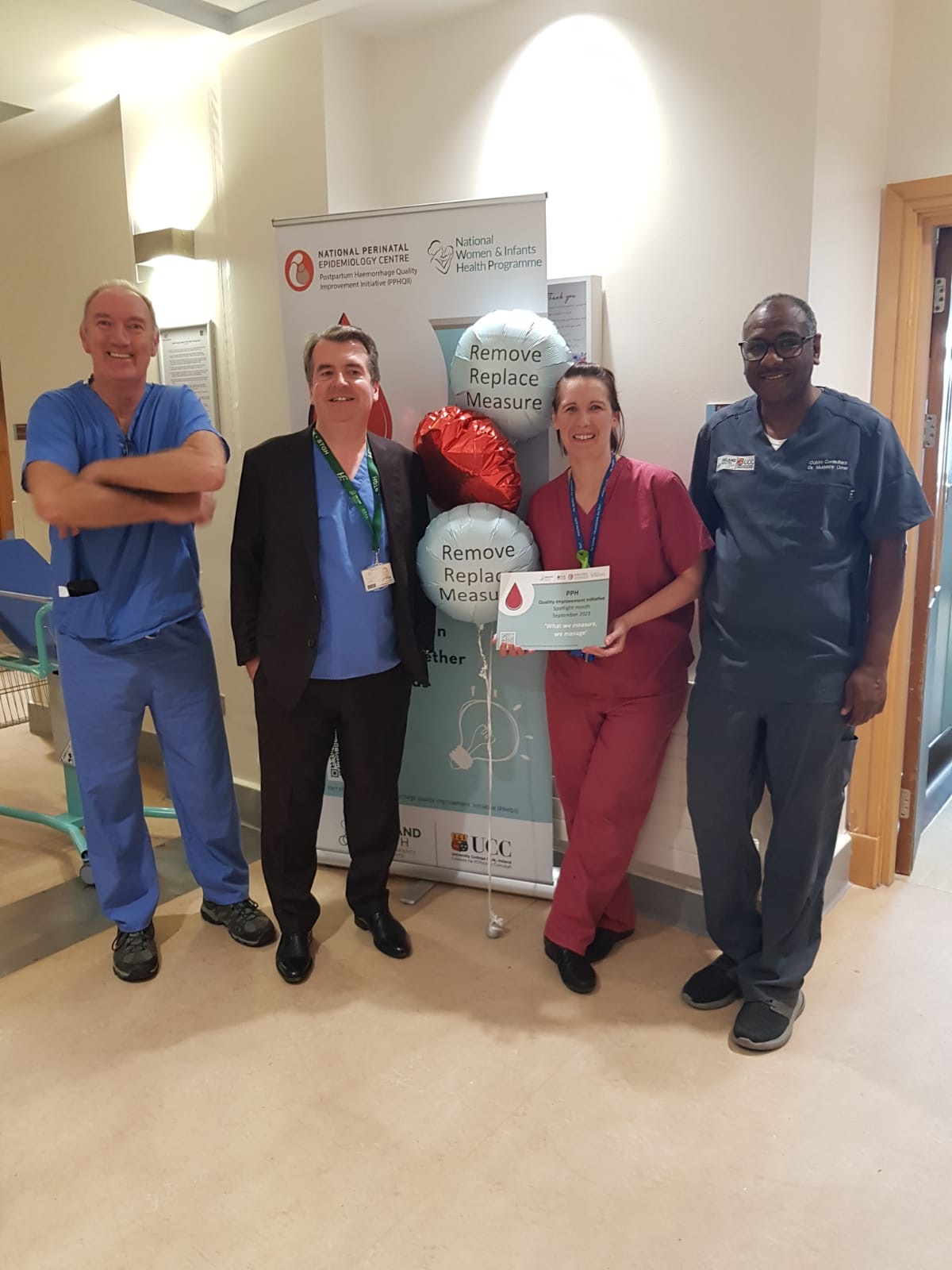
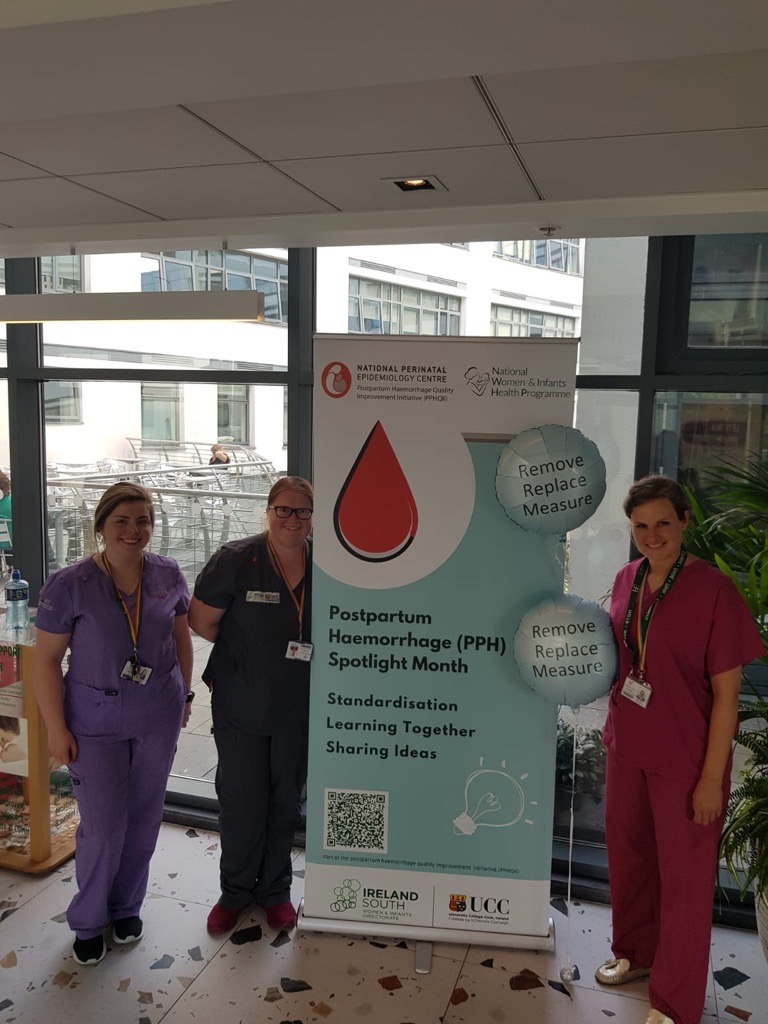
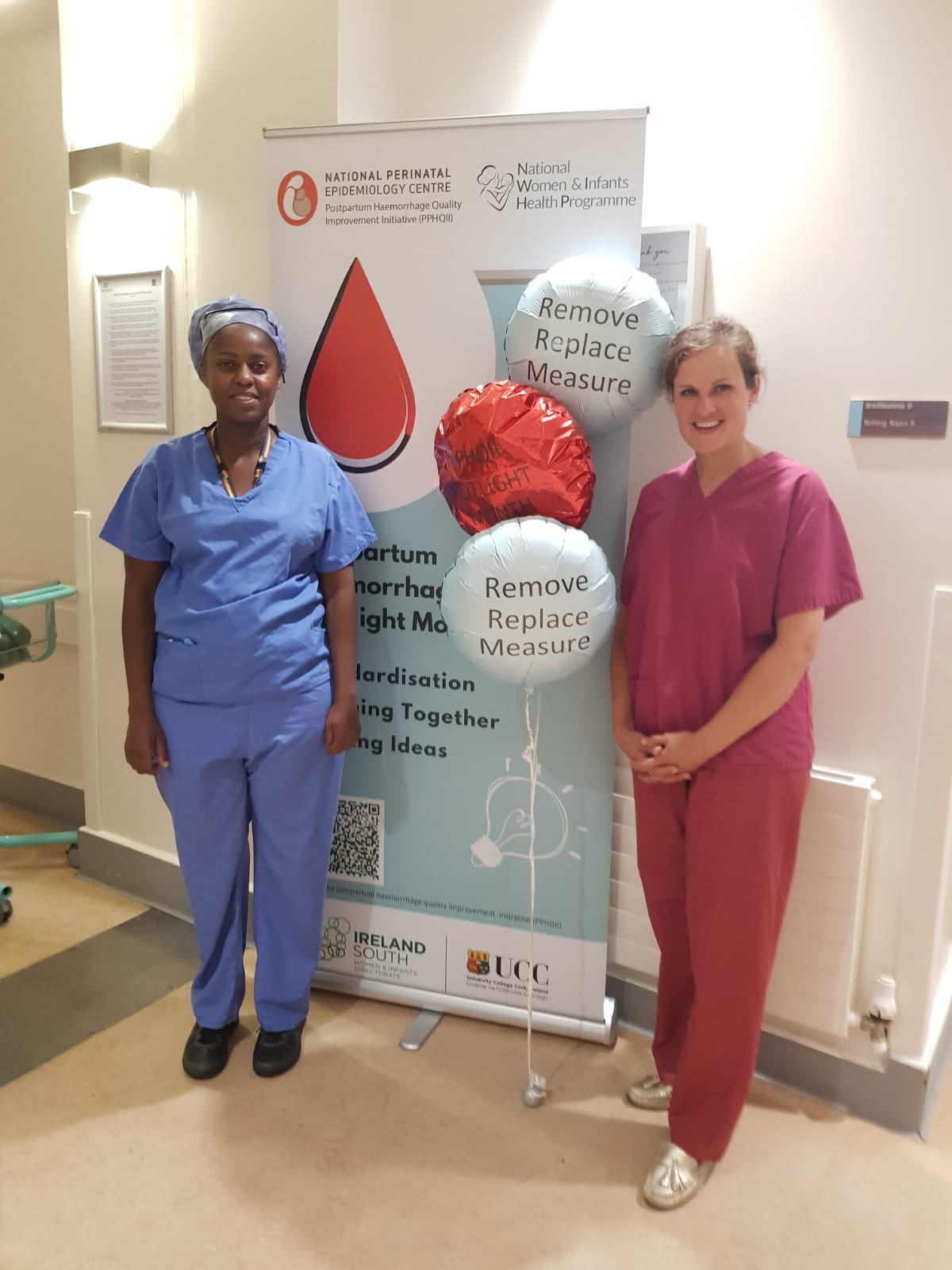
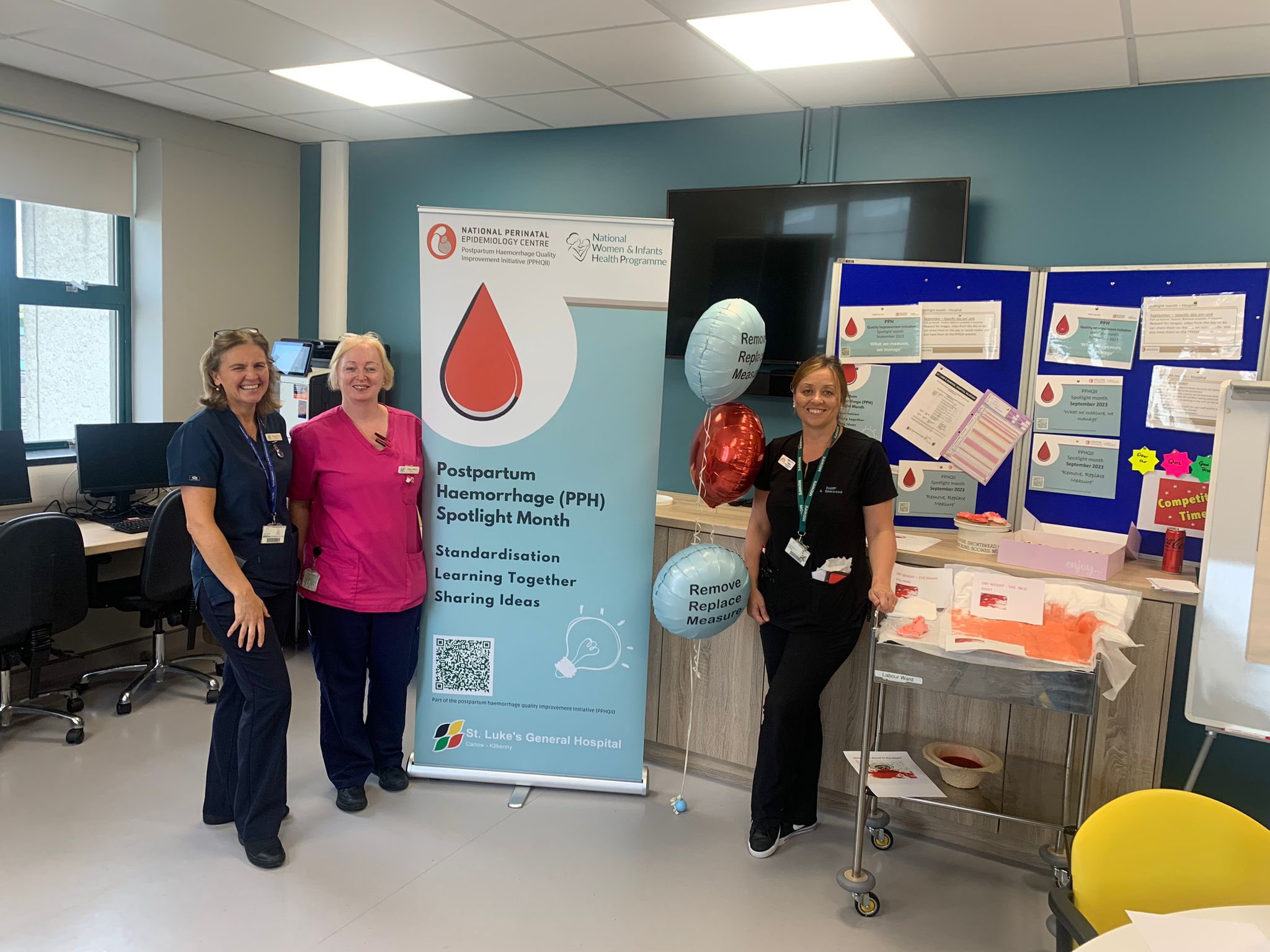
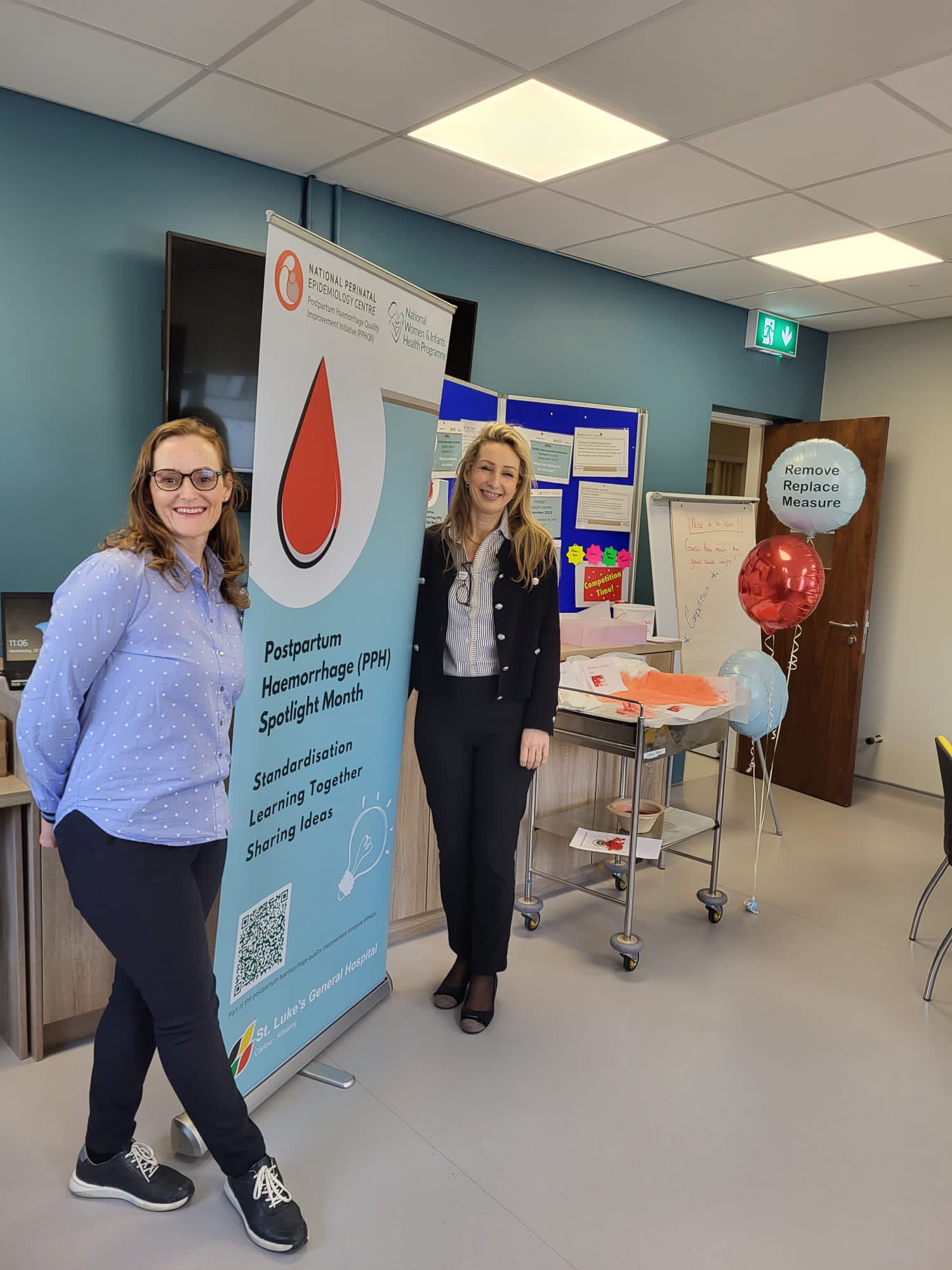
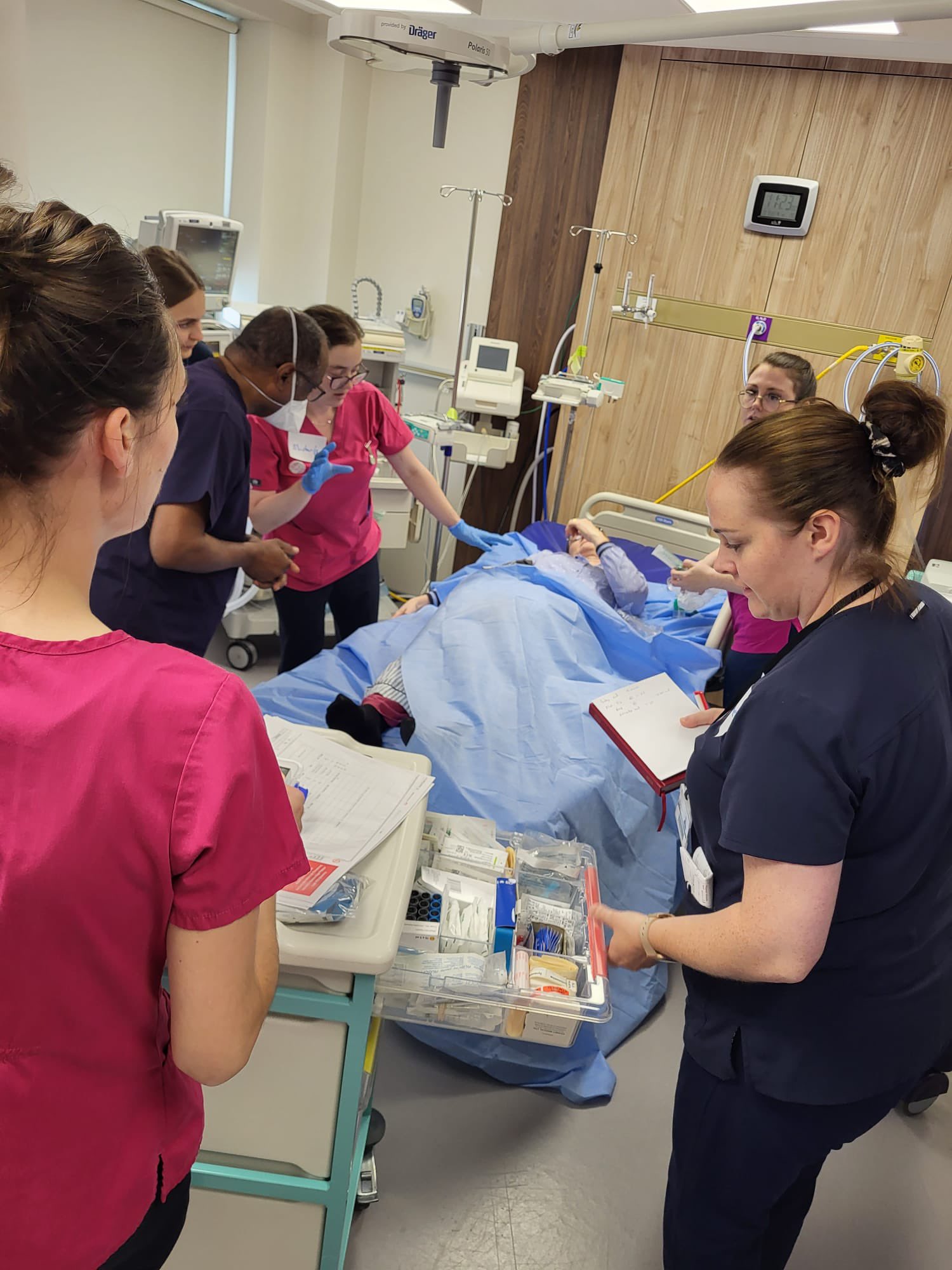
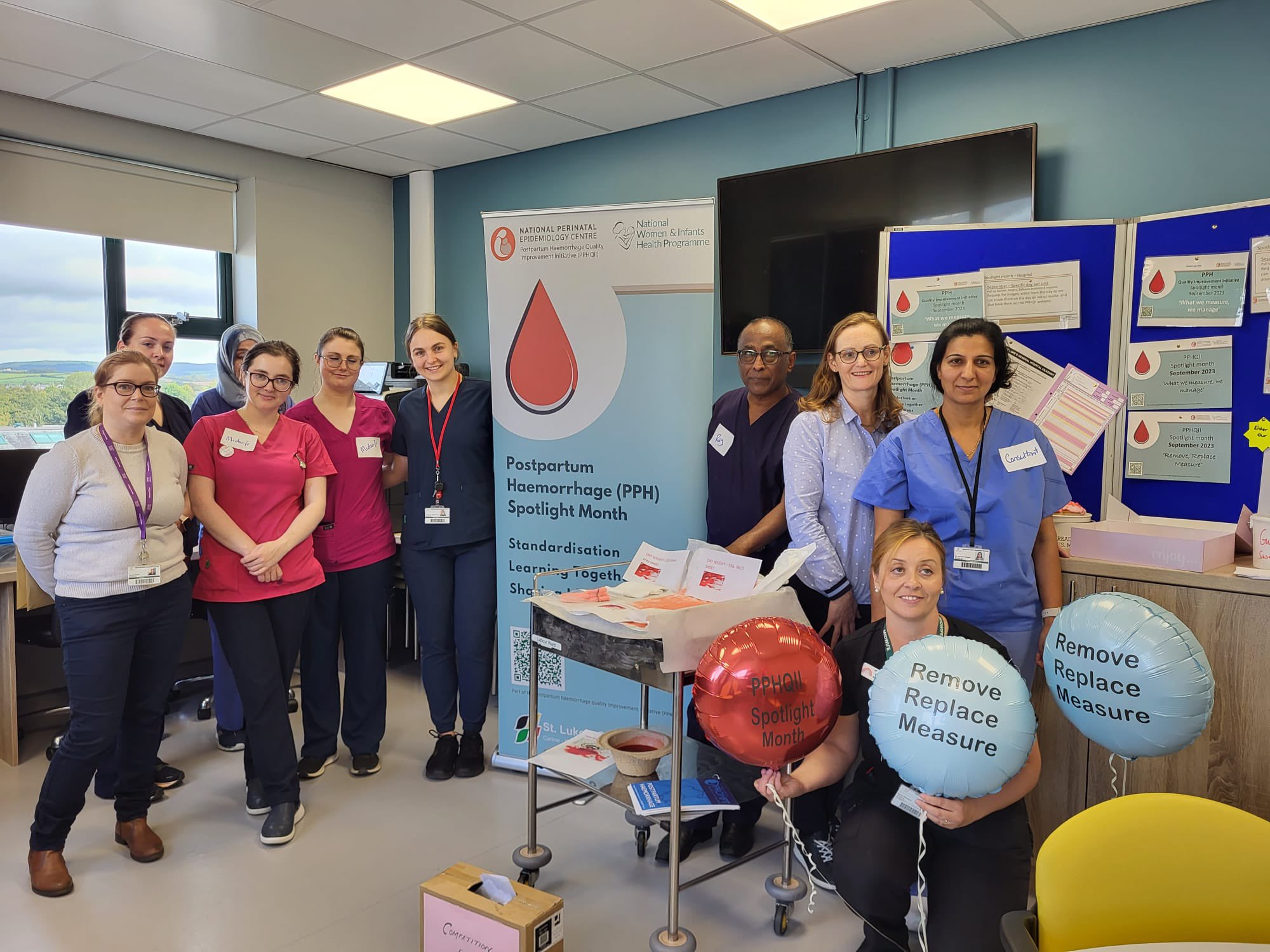
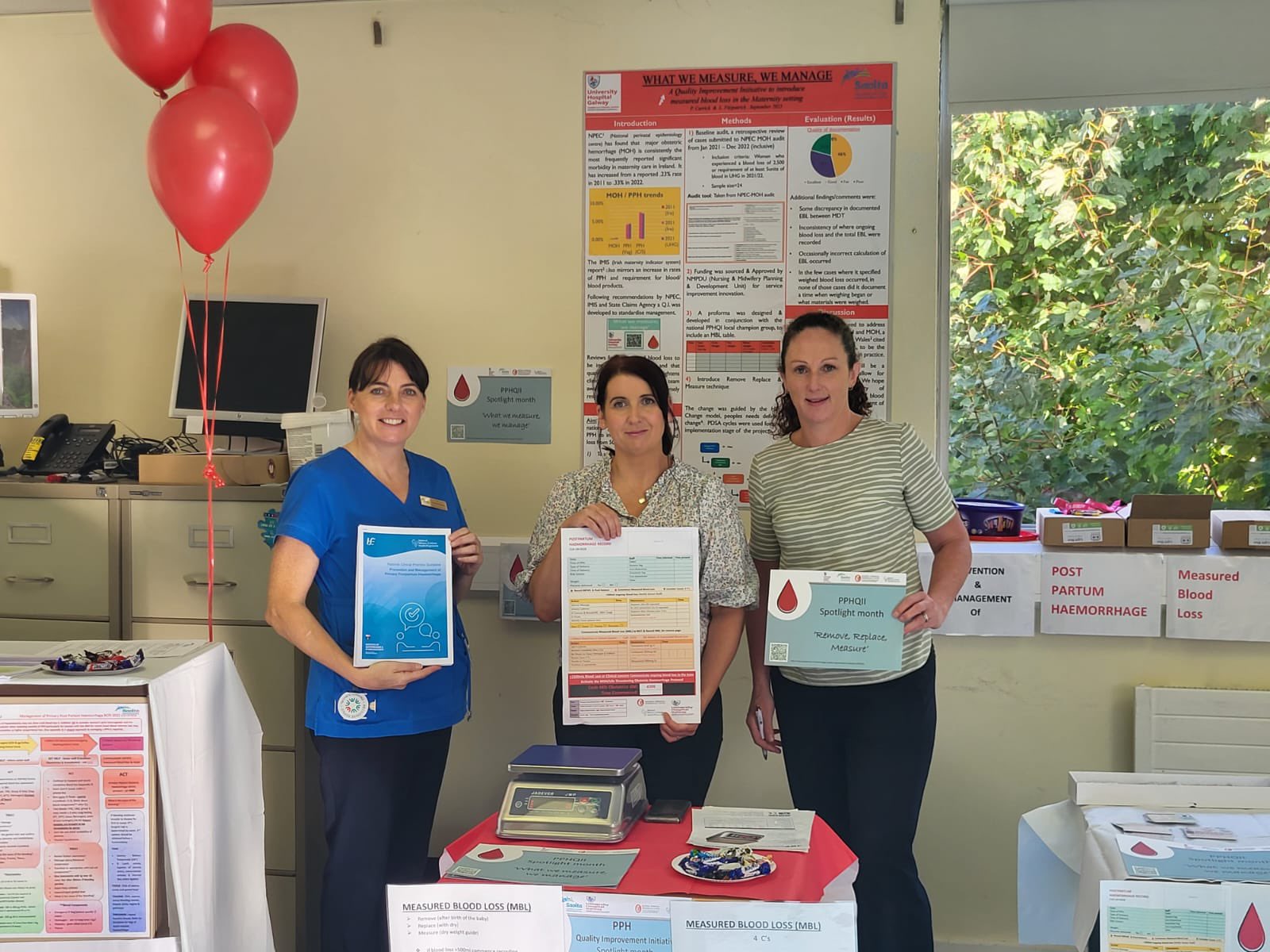
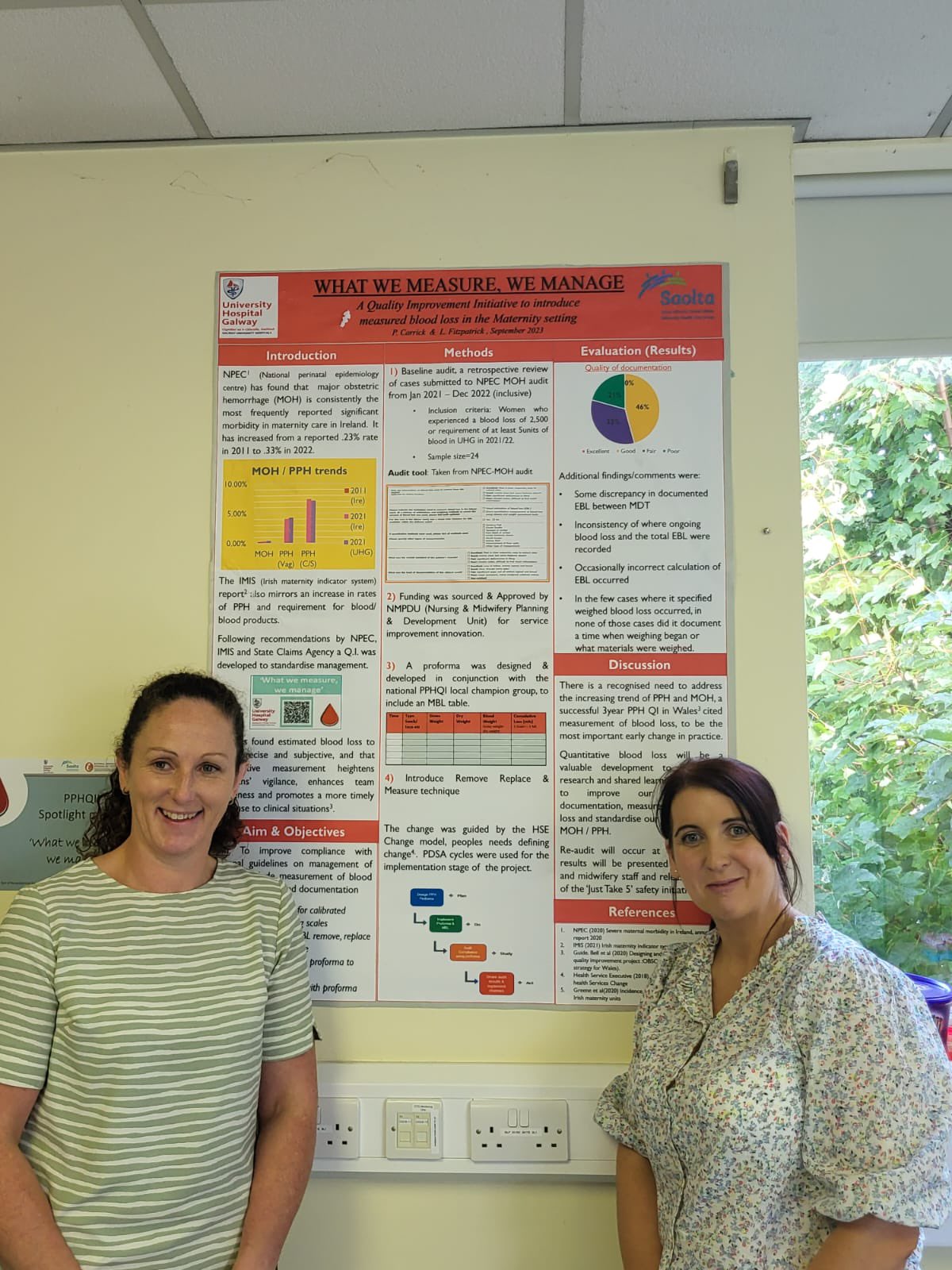
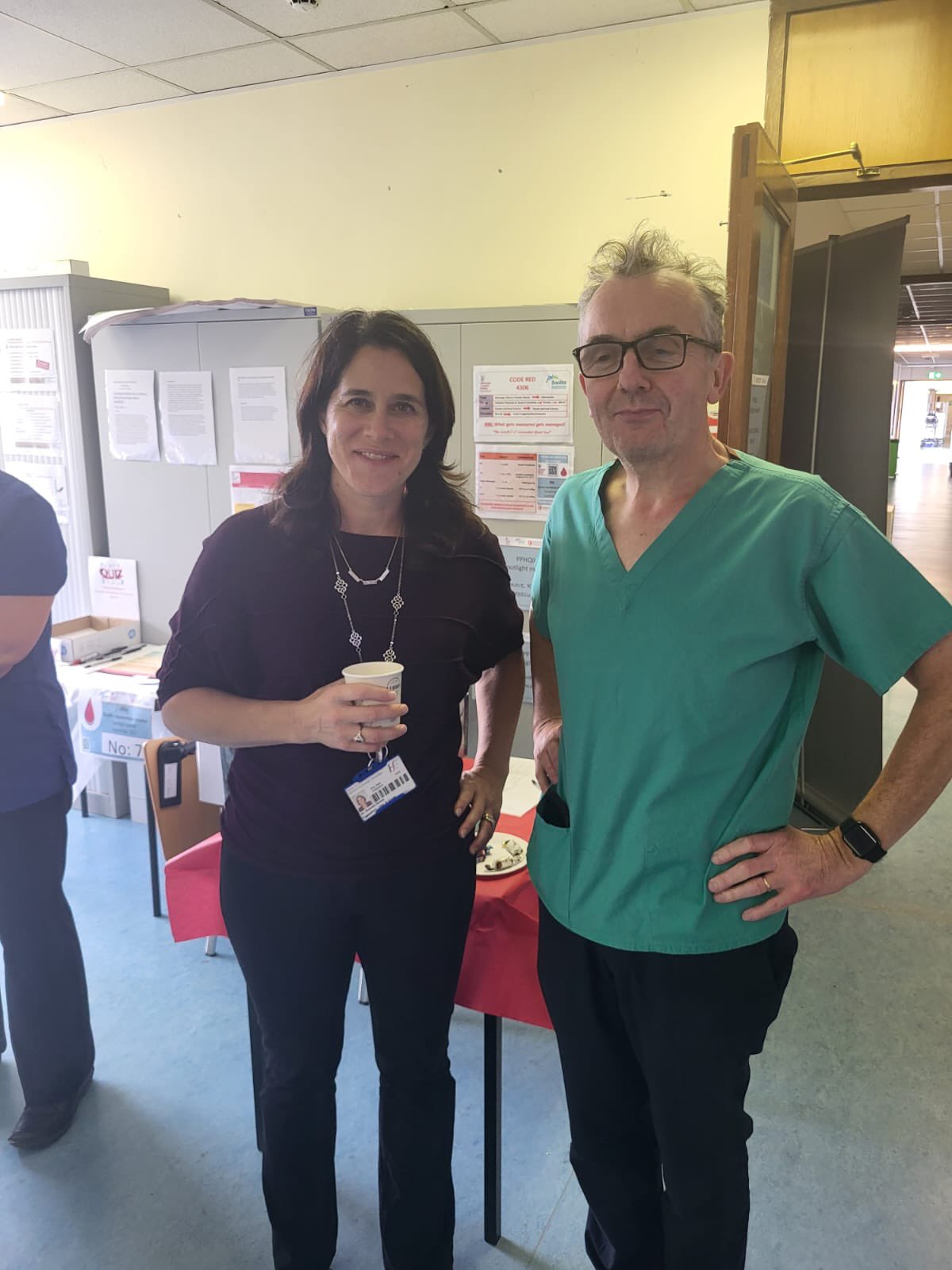
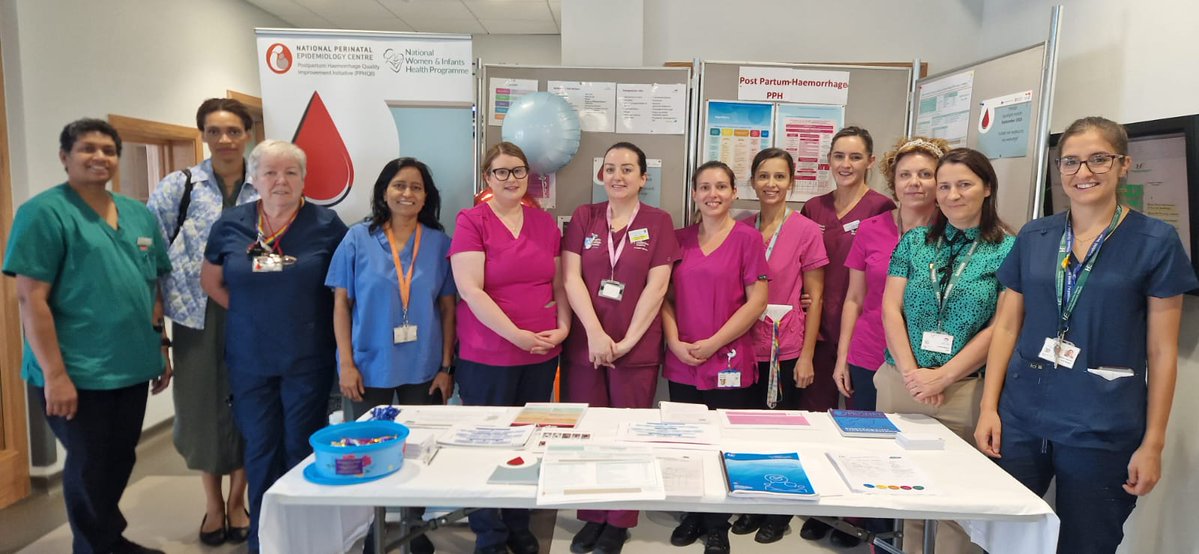
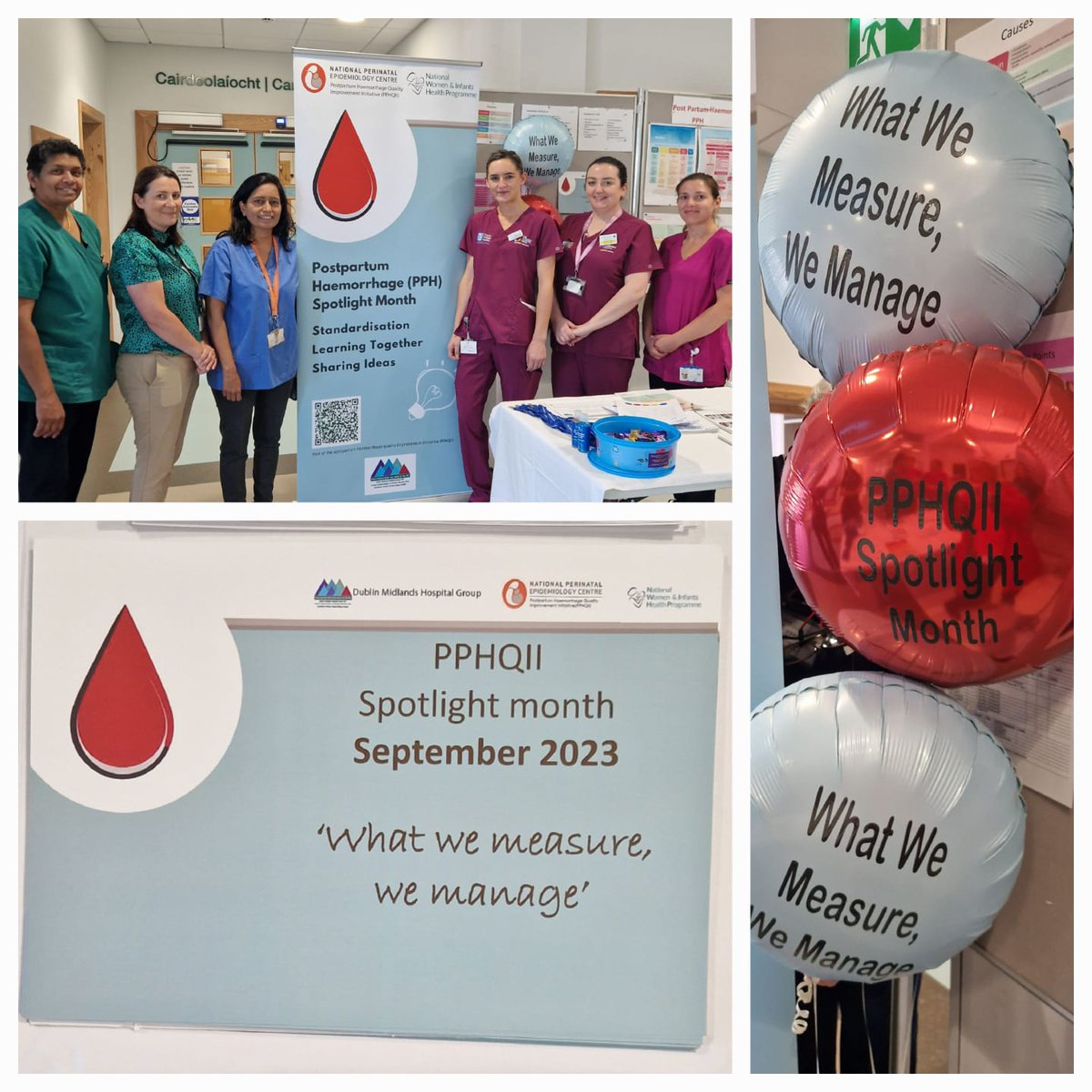
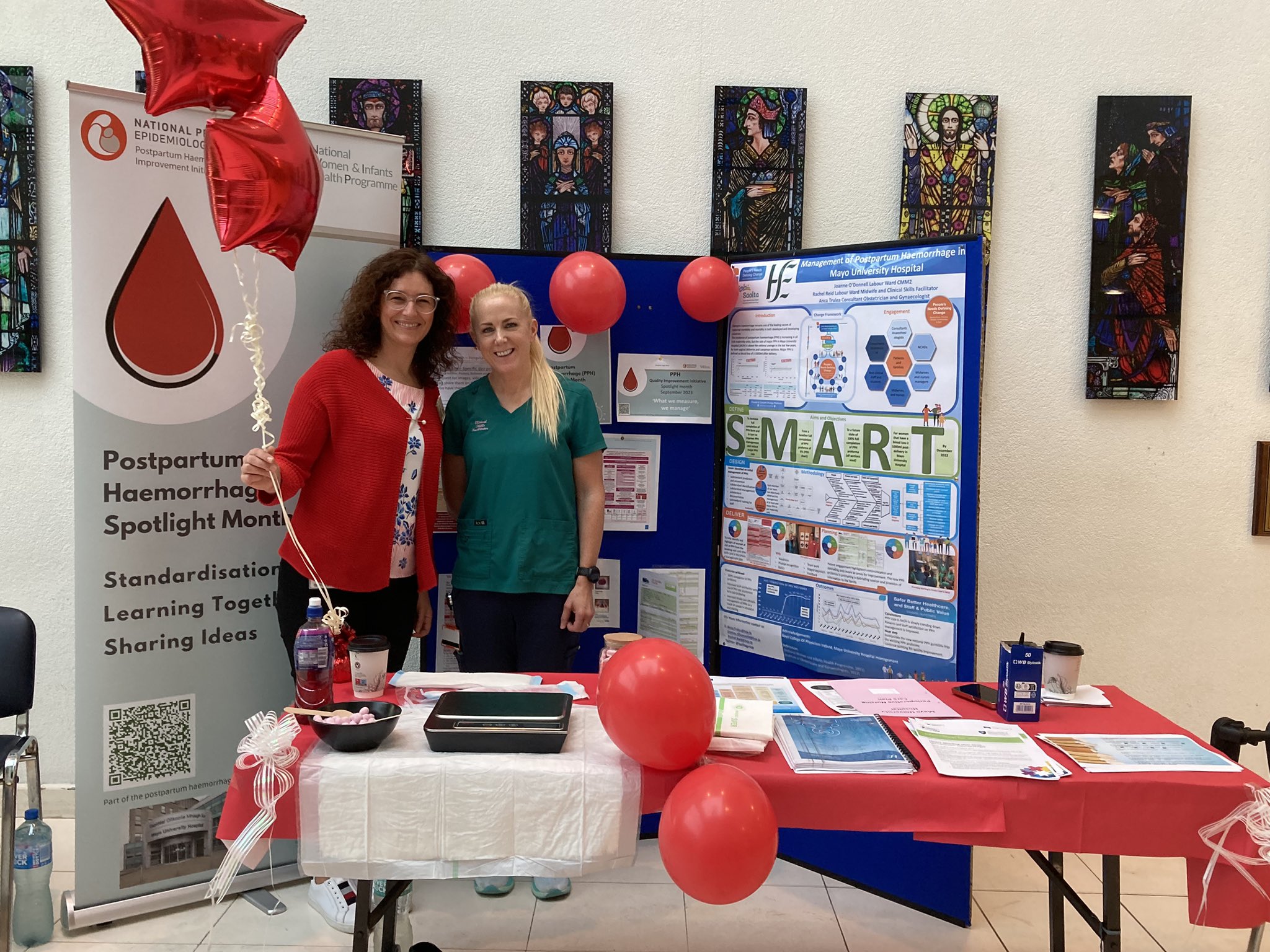
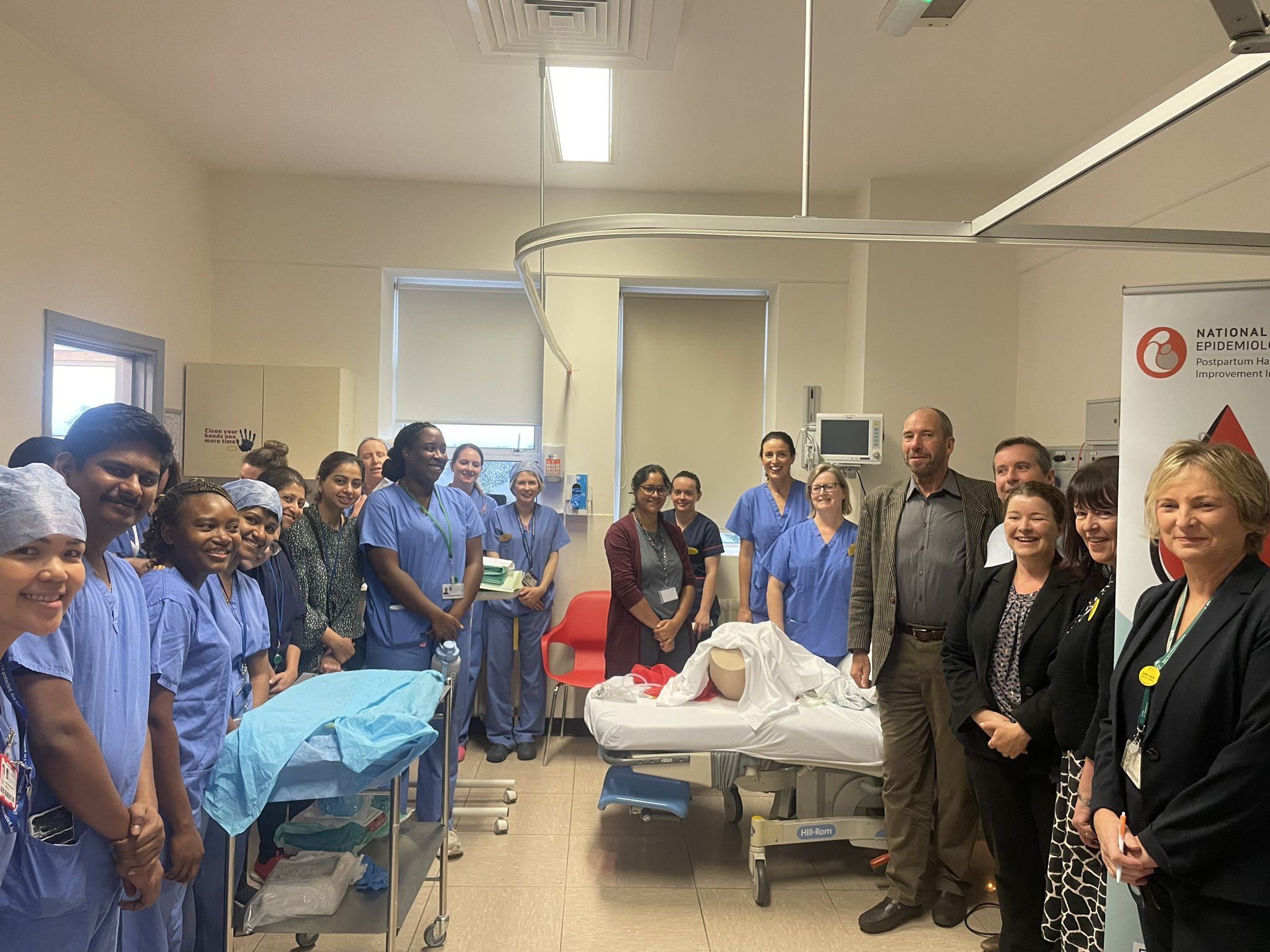
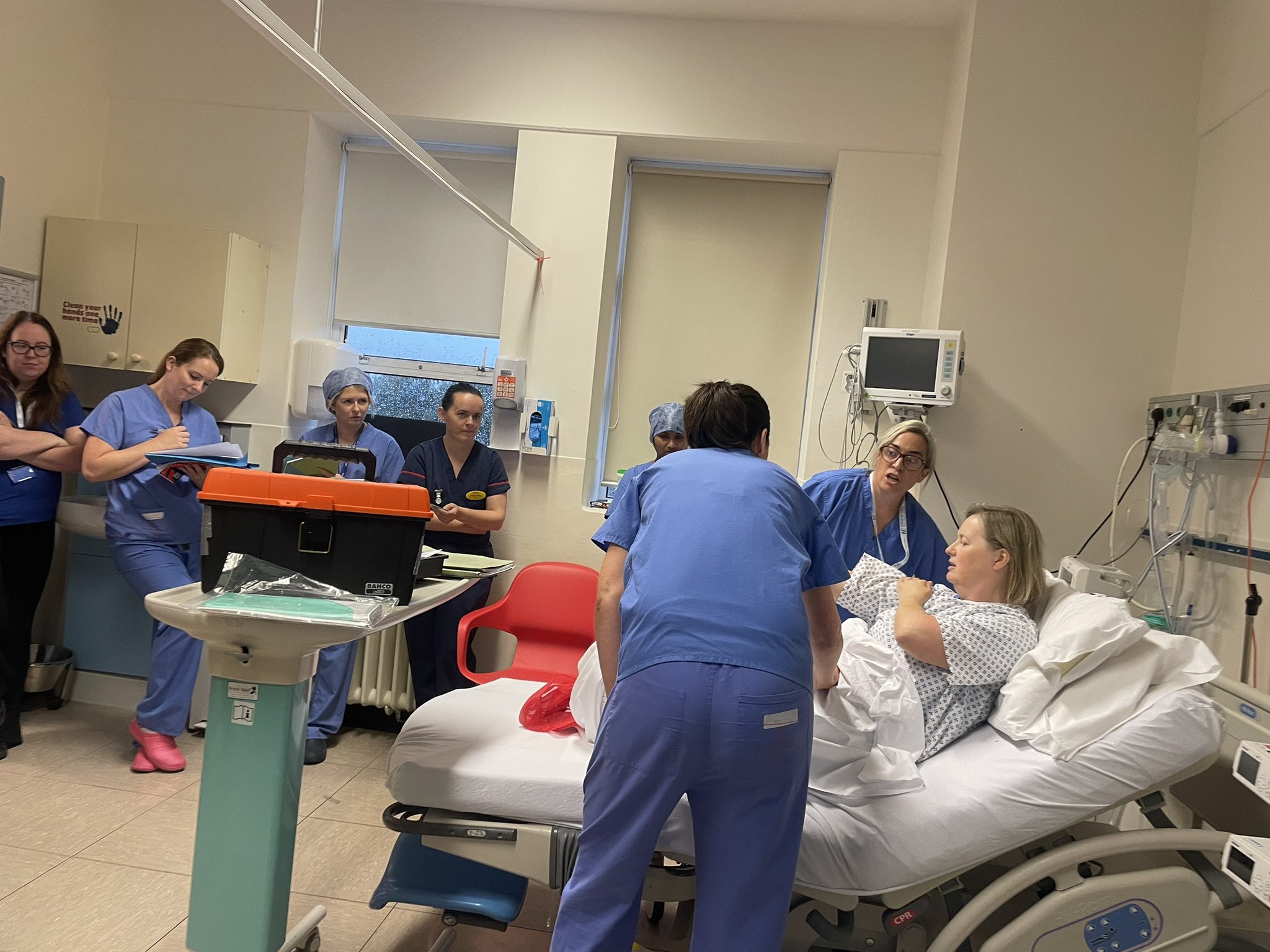
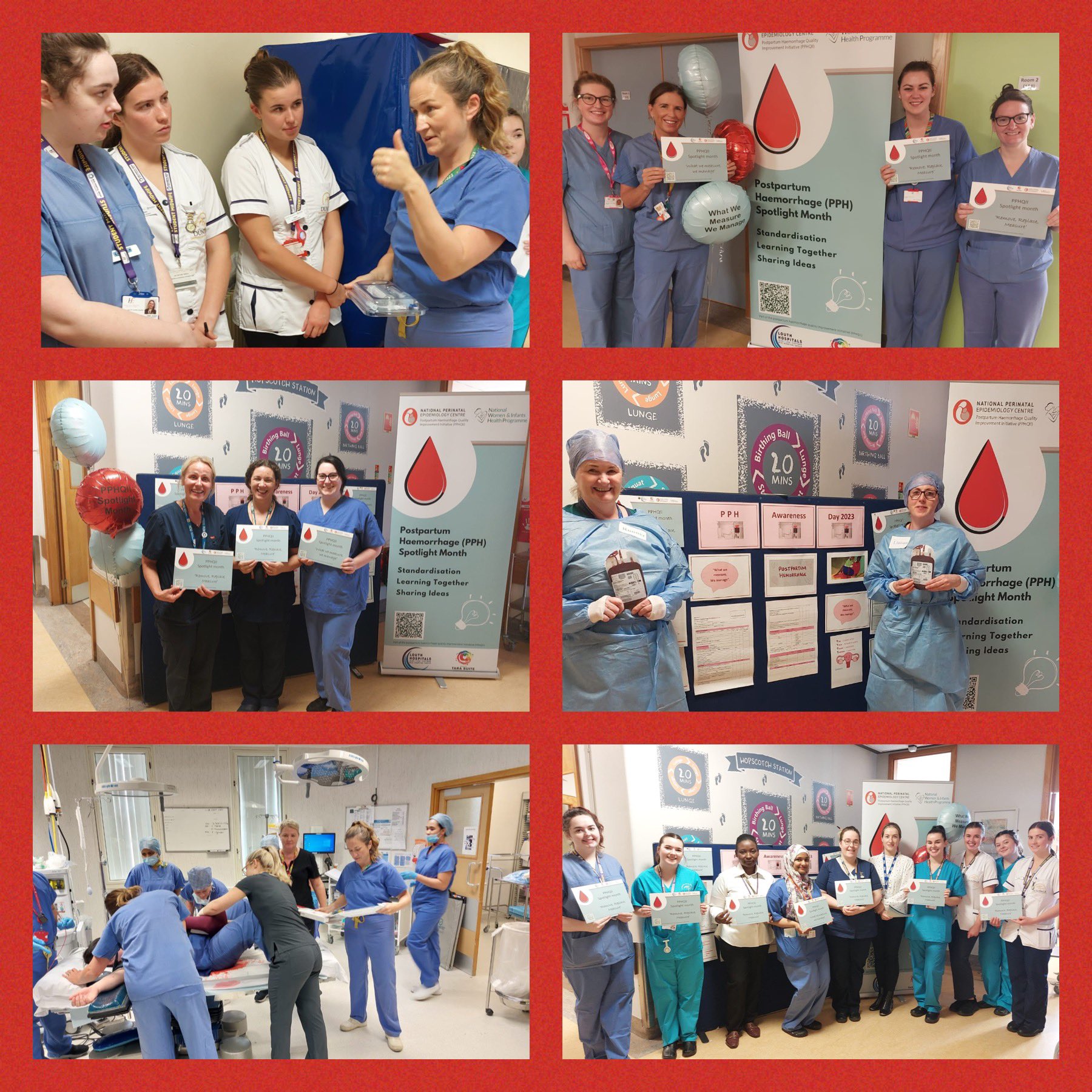
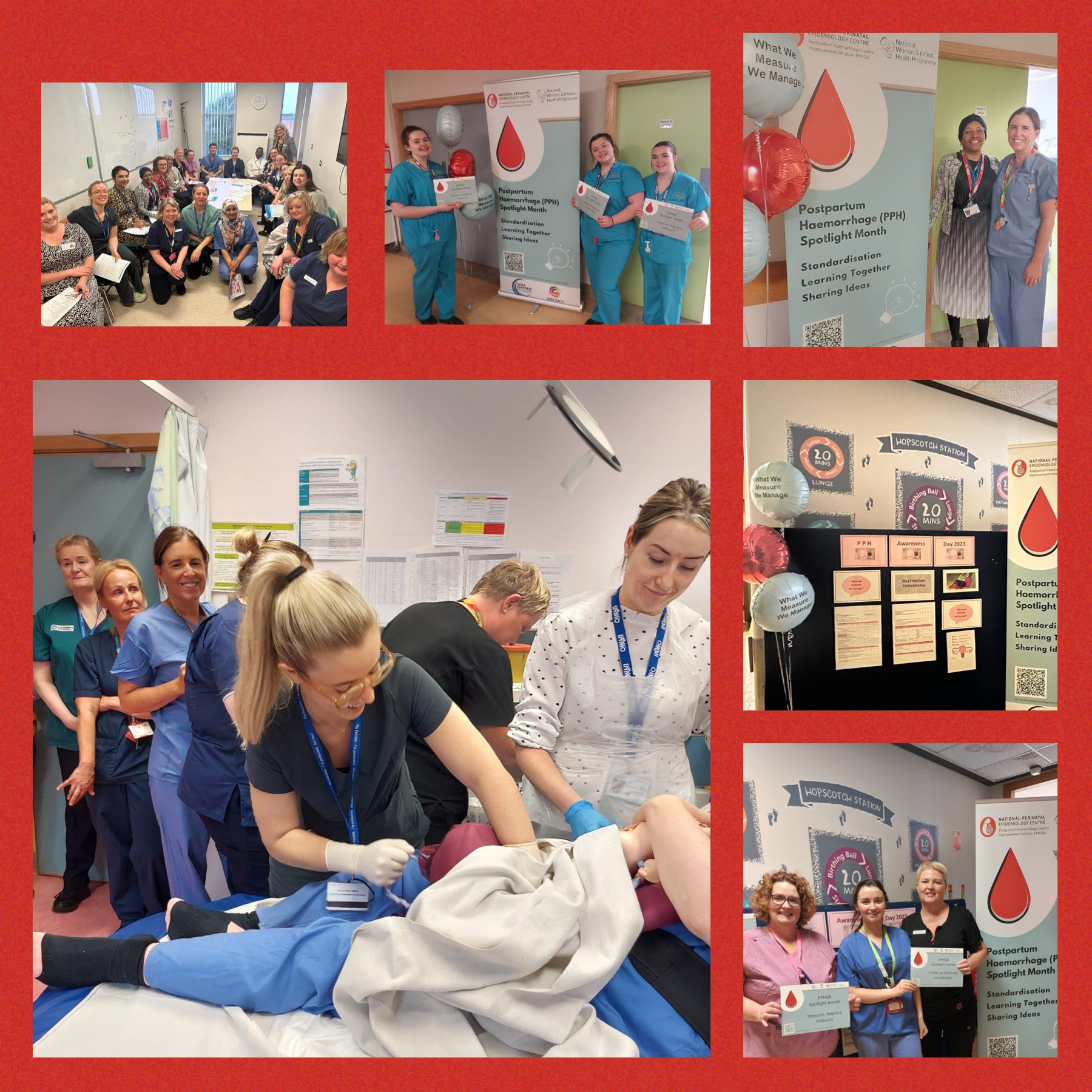
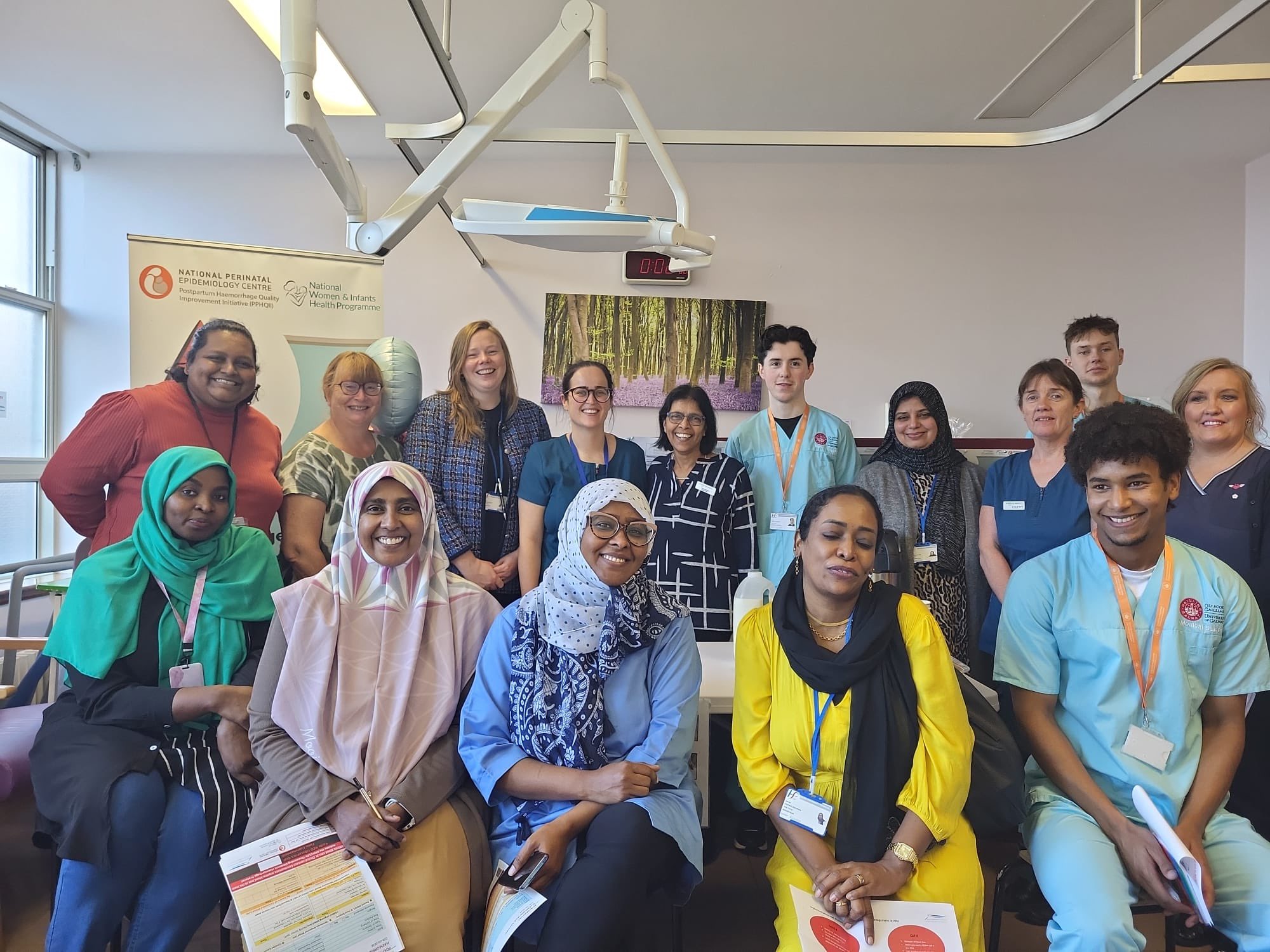
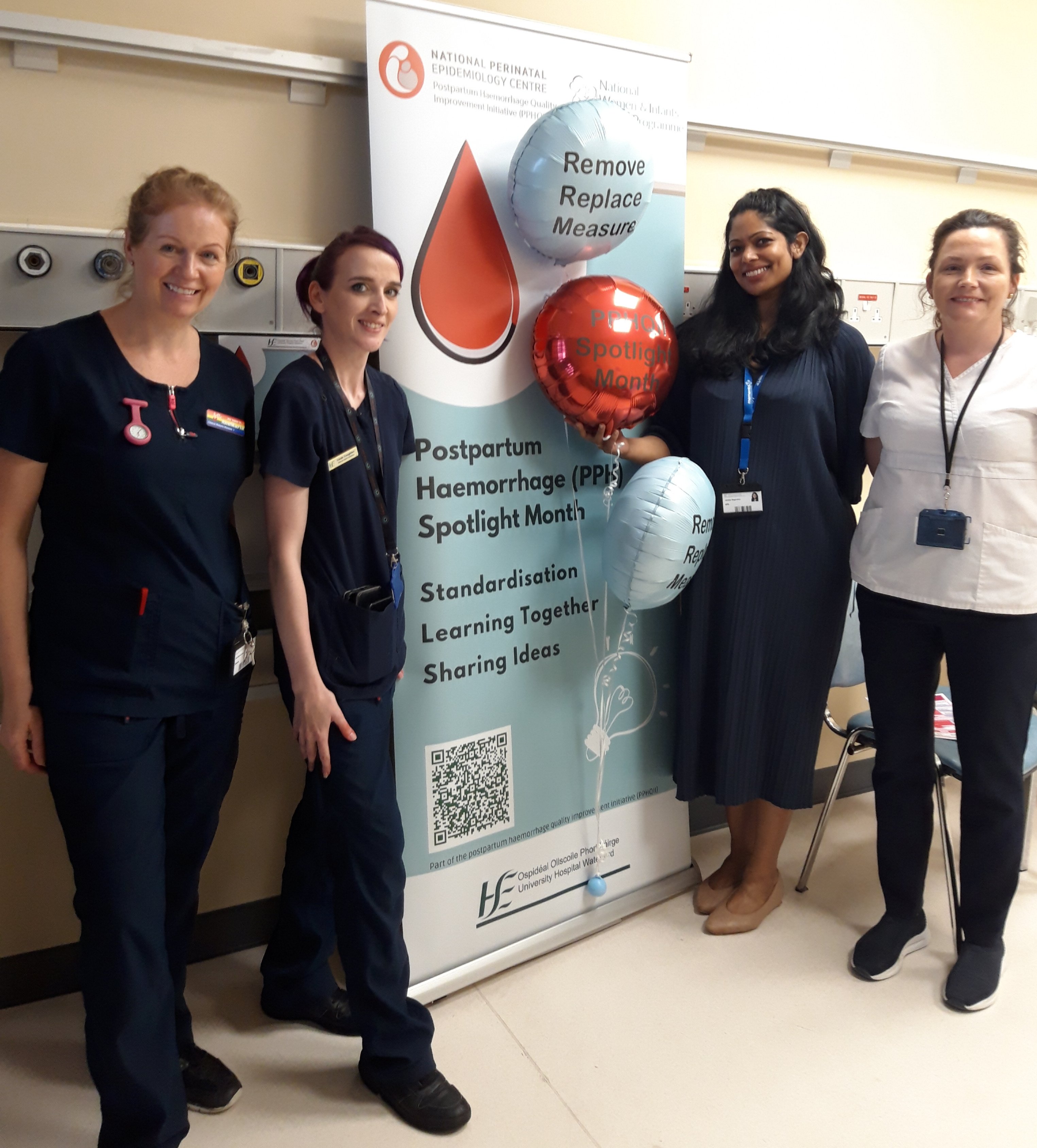
PPHQII has created a national network where local Champions and multidisciplinary teams can share what is working, learn from one another and adapt successful ideas for their own services. The project has included national Spotlight Months, local drills and training, workshops, national learning events and feedback from Champions about improvement work taking place within their units.
As part of this quality improvement initiative, staff are taking part in quizzes and challenges designed to support learning and improve the care we provide. We recognise that seeing words such as “quiz” or “challenge” in relation to healthcare may feel unusual, and we want to be clear about why we have chosen this approach.
These activities are for staff learning and development. The quizzes help staff check and reinforce their knowledge, while the challenges encourage them to think about how that learning can be applied in everyday practice. The focus remains firmly on improving patient care and patient experience.
Behind every question, discussion and learning activity is a serious purpose: to help staff reflect, learn and make meaningful improvements to the care and support we provide. Most importantly, patients’ experiences and feedback are treated with respect and are central to helping us understand where improvements are needed.
What we are trying to achieve
PPHQII aims to improve the recognition, management and review of postpartum haemorrhage, with a particular focus on reducing serious complications and supporting consistent practice across maternity services.
Our aims
The initiative aims to:
* Reduce the number of women experiencing major obstetric haemorrhage (MOH) and life-threatening haemorrhage (LTH).
* Reduce the number of women requiring Level 3 intensive care as a result of PPH.
* Reduce the morbidity associated with PPH in Ireland.
* Reduce the number of women requiring transfusion of five or more units of red blood cells.
* Reduce the need for Fresh Frozen Plasma (FFP) and other coagulation blood products where clinically appropriate.
* Ensure that PPH and MOH cases are discussed through appropriate risk management and clinical review processes.
* Encourage staff and patient debriefing following PPH or MOH.
* Reduce the number of women requiring hysterectomy as a result of PPH.
How we are working towards these aims
PPHQII supports maternity hospitals and units to:
* Develop an overview of clinical practices relating to PPH across all 19 maternity hospitals and units, identifying what is working well and creating opportunities for shared learning.
* Collect and review data on PPH and MOH cases.
* Support a standardised approach to the measurement of blood loss following delivery.
* Develop and implement a staged checklist and standardised documentation for the management of PPH.
* Support the updating of national guidance, including definitions and standardised approaches to PPH management.