
CODA Updates
The Intergenerational Trauma of Oralism: Why Language Rights Matter for Deaf Families
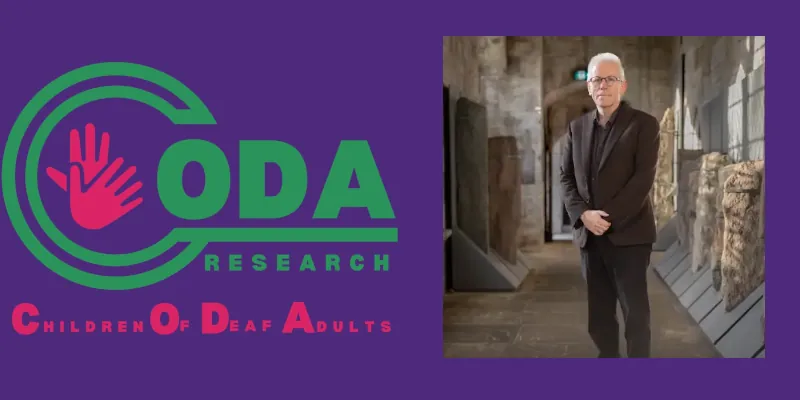
I had the privilege of participating in a panel discussion focused on “Translation, Access and Multilingual Futures: Perspectives from Ireland.” The event was hosted by the School of Languages, Literatures and Cultures, University College Cork. The theme of the panel discussion was on “access and language rights.”
During the session, I discussed the profound injustice that still impacts deaf communities today: the historic denial of sign language access to deaf children in schools. For decades, educational institutions enforced strict policies of oralism – an ideology asserting that people with speech are superior and more intelligent than those without it. This harmful belief led to educational policies that strictly prohibited sign language and physically punished deaf children for signing, with devastating consequences for their education and social development. When schools banned sign language, they did not just restrict communication; they starved children of accessible education. They forced deaf children to rely on lip-reading and speech in the classroom. Decades later, the consequences of this policy are stark. Many Deaf individuals who grew up under this system currently experience severe literacy challenges, alongside a host of social, emotional, and economic barriers resulting from early language deprivation. However, the damage did not stop with that generation. This history is directly relevant to the CODA (Children of Deaf Adults) project because when these deaf individuals became parents, the institutional trauma of oralism trickled down to their children.
Given that Deaf parents were denied basic linguistic access, they were blocked from the incidental learning, resources, and societal opportunities that hearing people take for granted. This enforced exclusion directly impacts CODAs in several profound ways:
- Parentification: Children are frequently forced into adult roles, navigating complex medical, legal, and financial systems to interpret for their parents.
- Poor Educational Outcomes: A lack of accessible community resources and information for parents can hinder their children's academic support systems.
- Social Barriers: Families must constantly combat a hearing world that remains inaccessible and exclusionary.
Oralism was not just a flawed teaching method; it was a violation of human rights. By understanding this history, the UCC CODA project highlights that fighting for sign language rights today is essential to protect the educational, emotional, and social well-being of the next generation.